
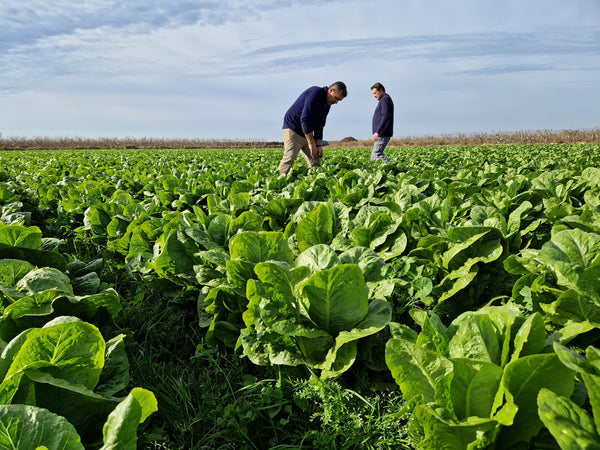

At our friend Antonio's house, like in any chestnut-growing family, they always try to keep a bit of the harvest for winter. Here's how he tells it:
“Every year we try to keep some back. January comes, pig-slaughter season comes, any family get-together comes along… and you always end up making the most of them in these winter months.”
Storing chestnuts looks easy, but it isn't. Antonio and his family have been experimenting for years, some tries worked and others, as he admits himself, were mistakes. In this article we share what they've learned out in the field, why chestnuts spoil so fast and how to store them at home, raw or roasted, so you can enjoy them for months.
Why chestnuts spoil faster than other nuts
Chestnuts are sold next to walnuts and almonds, but they're not much like them. A fresh chestnut is about 50 % water, compared with 4 or 5 % in a walnut. It's a living fruit that breathes and, if stored badly, dries out, goes mouldy or sprouts. That's why it won't last months in the pantry like a nut, unless it's fully dried, like dried chestnuts (pilongas).
What they've tried at Antonio's house
Inside the burr: the best way
“For years we've tested leaving them inside the burrs, and that's the best way to keep them.”
It's a traditional practice in many chestnut regions: piling up unopened burrs, sometimes covered with leaves or branches, and taking the chestnuts out little by little through the winter. The burr works like a natural case that keeps moisture in without waterlogging and protects the chestnut from air and light.

Hosing them down: a mistake
“We've watered them with the hose… Mistake. Chestnuts in water turn black.”
The idea made sense: stop them drying out. But a wet, piled-up chestnut is the perfect spot for storage moulds, which turn it black and rot it from the inside. Water is only useful for a moment, for the float test or for the hot-water treatment used in warehouses, and always followed by thorough drying. We explain it in why chestnuts get worms and how to tell if they're good.
Under the roof: better than wet
Another test was leaving them under the eaves of old houses, so they'd pick up moisture from the air when it rains, like on the tree, without getting soaked. It worked better than the hose, though not as well as the burr.
Last year's chestnuts
Antonio shows chestnuts from the previous harvest that are still at home. They've been drying out, the skin is duller and browner, but they haven't rotted. And they have a curious advantage: “they peel better afterwards”. As they lose water, the inner skin comes off more easily. Careful, though, because they also harden: they're better for boiling or stews than for roasting.

How to store chestnuts at home
A few days: somewhere cool and dry
If you'll eat them within the week, keep them somewhere cool, dry and airy, in a basket or a cloth or mesh bag. No sealed plastic bags, they trap moisture. Antonio reckons they keep perfectly well outside for four or five days.
Up to two or three weeks: in the fridge
In the vegetable drawer, unwashed, in a cloth, paper or mesh bag. Home sources talk about around two weeks in good condition, and some say quite a bit longer if the fridge is cold, below 4 °C. Check them now and then and remove any with mould or holes.
Months: in the freezer, raw
- Check the chestnuts and set aside any damaged ones.
- If you like, do the water test and keep the ones that sink. Then dry them really well.
- Score the skin if you're going to roast them later. It's not essential, but it saves you work.
- Put them in freezer bags, squeeze out the air and write down the date.
They keep for almost a year. To roast them, there's no need to thaw: they go straight from the freezer to the oven or pan, with a few extra minutes of cooking. Freezing has a bonus effect too: it kills any larvae that might be inside.
Months: in the freezer, roasted
This is what they do at Antonio's house, and they swear by it:
“We roast them and put them in the freezer. And when we take them out, it's like we've just made them.”
Roast the chestnuts, peel them while they're still warm, which is when the inner skin comes off best, let them cool completely and freeze them in portions. To eat them, thaw them in the fridge overnight or heat them straight up for a few minutes in the oven or pan. What you shouldn't do is refreeze them once thawed.

Years: dried, like pilongas
The oldest way to keep chestnuts is to dry them in the air, sun or smoke until they lose most of their water. That's how you get pilongas, dried chestnuts as hard as stones that keep for a very long time. Before cooking, they're soaked and used in hearty soups, stews and traditional sweets.
Which method to choose
| Method | How long it lasts | Best for |
|---|---|---|
| Basket or cloth bag, somewhere cool | 4 or 5 days | Eating right away |
| Fridge, in a cloth or mesh bag | About 2 or 3 weeks | Roasting or boiling within the month |
| Freezer, raw | Almost a year | Roasting or boiling whenever you like |
| Freezer, roasted and peeled | Several months | Having them ready in minutes |
| Dried (pilongas) | A very long time | Stews, soups and sweets |
Frequently asked questions
Why have my chestnuts turned black?
Almost always because of moisture. A chestnut that's wet or stored in plastic goes mouldy and rots inside. Keep them dry and well ventilated.
Can you freeze chestnuts unpeeled?
Yes, raw and in their shells, after drying them well. Then roast them straight from frozen.
Are dried-out chestnuts still good?
Yes, as long as there's no mould. They peel more easily but are harder: use them boiled or in stews.
How do warehouses store chestnuts?
In cold rooms between −1 and 0 °C, with very high humidity, 90 to 95 %. That way they keep for weeks or months without losing quality.
From the chestnut grove to your table
A well-kept chestnut is the best memory of autumn in the middle of January. We're working with Antonio on a way to bring his freshly picked chestnuts to your home. Meanwhile, in Reserve your harvest you'll find the autumn fruit we pick the same day it ships. From the field to the box, and from the box to your home. That simple, that real.
Sources
- UC Davis Postharvest Center. Chestnut: recommendations for maintaining postharvest quality
- Frutas y Hortalizas. Cuidados poscosecha de la castaña
- Cocinatis. Cómo conservar castañas crudas, asadas o secas
- La Cocina de Lucía. Cómo conservar castañas
- Phenix. Trucos para conservar las castañas durante más tiempo
- Wikipedia. Castaña (composición)

