
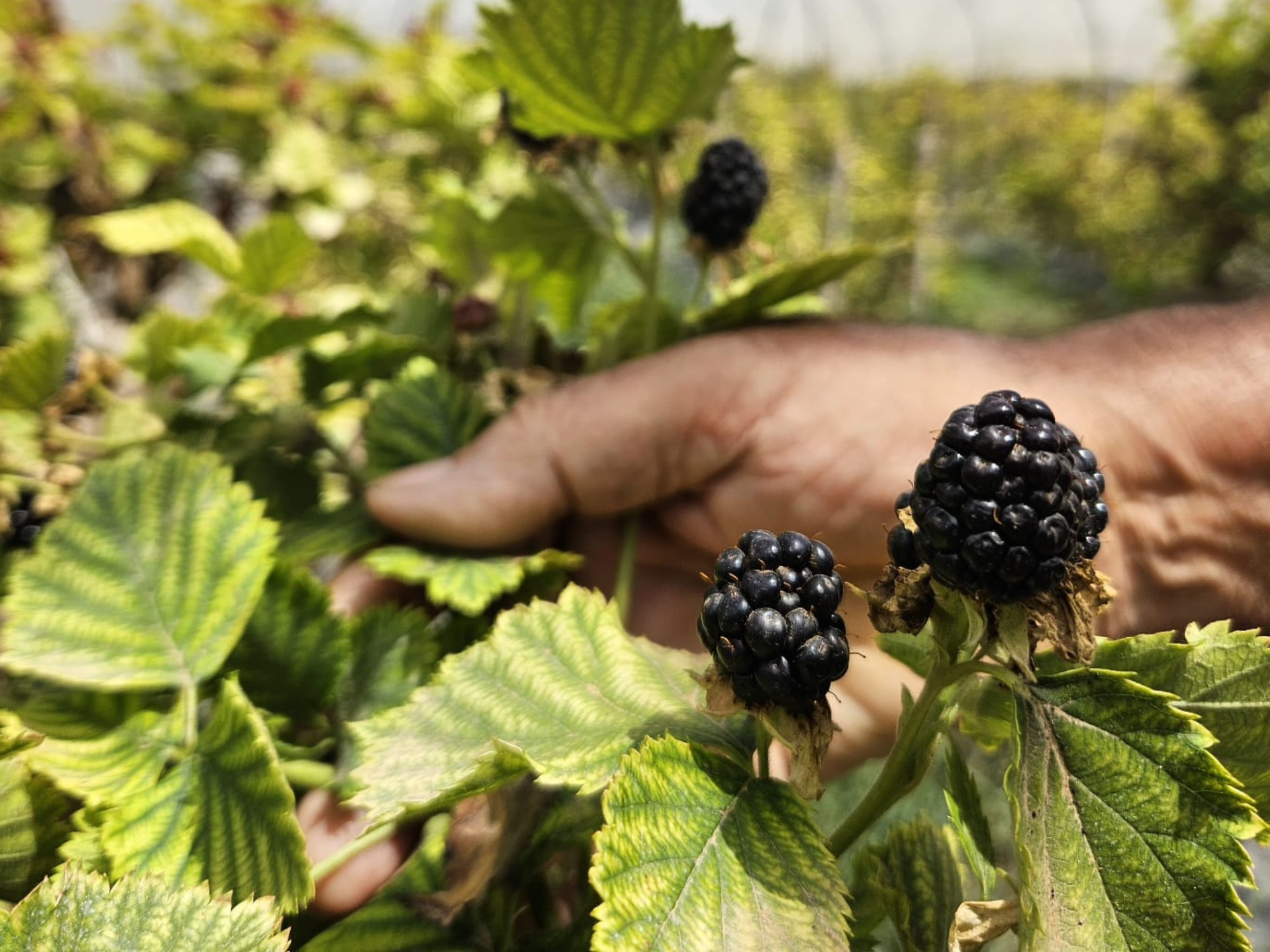
Blackberries are authentic nutritional treasures, providing essential vitamins, fiber, and potent antioxidants capable of transforming your well-being from the first bite. These small, intensely purple fruits contain anthocyanins, vitamin C, and bioactive compounds that protect your heart, improve digestion, and strengthen your immune system.
Did you know that a simple cup of blackberries can contain more antioxidants than many fruits considered "superfoods"? It's fascinating how something so small and delicious can make such a big difference in our health. And the best part is that, as Antonio, our organic blackberry farmer, tells me, these fruits retain that authentic "sweet and sour flavor so characteristic" that transports us to the summers of our childhood.
What makes blackberries so special for our health?
Blackberries stand out for their exceptional nutritional profile. Every 100 grams provide only 39 calories, but they are loaded with 6.6 grams of dietary fiber (more than 25% of the recommended daily intake), 15 mg of vitamin C, and an impressive concentration of anthocyanins that can reach 200 mg.
What truly distinguishes these fruits is their unique phytochemical matrix. The anthocyanins, responsible for that intense purple color, are not just pretty pigments. They are potent antioxidants that neutralize free radicals in our body, acting as a protective shield against cellular aging. Additionally, they contain ellagic acid (up to 50 mg per 100 g) and quercetin, compounds that work synergistically to multiply their beneficial effects.

Antonio explains from his experience in the field that blackberries grown in optimal conditions, like those he produces in coconut fiber, can reach spectacular sizes without losing that authentic flavor. "A first-year plant can already give you a kilo," he tells us with pride, demonstrating that the quality of cultivation directly influences what reaches our table.
How do blackberries protect your heart and cardiovascular system?
Regular consumption of blackberries exerts a cardioprotective effect that goes far beyond what you might imagine. The anthocyanins present in these fruits inhibit the oxidation of LDL cholesterol (the "bad" one), significantly reducing plaque formation in the arteries.
Clinical studies have shown that consuming 200 grams of blackberries for 8 weeks can decrease total cholesterol by 12.3% and triglycerides by 15.1%. Isn't that incredible? It's like having a natural pharmacy in your fruit bowl. In addition, their potassium content (160 mg per 100 g) helps regulate blood pressure, counteracting the negative effects of sodium in our diet.
| Cardiovascular benefit | Active component | Measured effect |
|---|---|---|
| Reduction of LDL cholesterol | Anthocyanins | -12.3% in 8 weeks |
| Decrease in triglycerides | Flavonoids | -15.1% in 8 weeks |
| Blood pressure control | Potassium | Significant improvement |
| Thrombosis prevention | Ellagic acid | Inhibits platelet aggregation |
The flavonoids present in blackberries also stimulate the production of nitric oxide in the vascular endothelium, improving artery elasticity. It's like giving your blood vessels a rejuvenating treatment with every bite.
Why are blackberries perfect allies for weight management?
If you're looking to maintain or lose weight healthily, blackberries are your best allies. With a glycemic index of just 25, these fruits release their energy slowly, avoiding those sugar spikes that lead us to snack between meals.
The fiber in blackberries (remember, 6.6 grams per 100) acts like a sponge in your digestive system. It forms viscous gels that slow gastric emptying, keeping you feeling full for longer. Functional magnetic resonance imaging studies have confirmed that this satiating effect translates into less activation of brain areas related to appetite.
But there's more: the soluble fiber in blackberries ferments in your gut, producing short-chain fatty acids that modulate hormones like peptide YY and GLP-1. These hormones are what tell your brain "I'm satisfied," helping you naturally control portions without feeling deprived.

What antioxidant power do blackberries hide?
Blackberries boast one of the highest ORAC (Oxygen Radical Absorbance Capacity) values among fruits: 5,300 μmol TE/100g. To put it in perspective, this far exceeds apples, pears, and even many fruits considered "superfoods."
This extraordinary antioxidant capacity comes from the synergy between different compounds. Water-soluble anthocyanins work in body fluids, while fat-soluble tocopherols protect cell membranes. It's like having a complete defense team working on different fronts of your body.
And what does this mean for you? Regular consumption of blackberries increases the activity of endogenous antioxidant enzymes like superoxide dismutase and glutathione peroxidase. Your body literally becomes more efficient at combating oxidative stress, that silent enemy that accelerates aging and increases the risk of chronic diseases.
How do blackberries strengthen your immune system?
Blackberries are true immunological fortresses. Their vitamin C content (15 mg per 100 g) stimulates the production and function of white blood cells, those warrior cells that defend you from infections.
But immune support goes beyond vitamin C. The polyphenols in blackberries regulate the differentiation of Th1/Th2 lymphocytes, helping your immune system respond more balancedly to threats. Additionally, the polysaccharides present act as prebiotics, feeding the beneficial bacteria in your gut, where approximately 70% of your immune system resides.
Recent studies have shown that blackberry extracts can inhibit the replication of certain viruses by blocking their binding to cellular receptors. While not a miraculous cure, incorporating blackberries into your diet is like giving your immune system the tools it needs to function optimally.
Can blackberries improve your digestive health?
Definitely yes. Blackberries are a gift for your digestive system. The combination of soluble fiber (4.2 g) and insoluble fiber (2.4 g) per 100 grams creates the perfect balance for healthy digestion.
Insoluble fiber increases stool bulk and stimulates bowel movements, while soluble fiber regulates consistency by retaining water. It's like having a natural regulator that prevents both constipation and diarrhea.
Interestingly, while fresh blackberries promote intestinal regularity, the leaves of the plant have astringent properties traditionally used in infusions to treat diarrhea. The tannins present in the leaves reduce excessive intestinal secretion, demonstrating the therapeutic versatility of this plant.
As a farmer, Antonio reminds us of the importance of consuming fresh, chemically untreated blackberries: "Since they don't have any chemical treatment, there's no problem eating them as is," ensuring we get all the benefits without additional worries.
What benefits do blackberries bring to your brain and memory?
Blackberries are authentic brain food. Their anthocyanins cross the blood-brain barrier and accumulate in brain regions associated with learning and memory, such as the hippocampus.
Research has shown that consuming the equivalent of one cup of blackberries daily for three months significantly improves performance in memory and learning tests. Participants showed less interference from irrelevant information during cognitive tasks, suggesting an improvement in executive function.

Even more impressive: longitudinal studies suggest that regular blackberry consumption can delay cognitive aging by up to 2.5 years. The bioactive compounds in blackberries prevent the aggregation of beta-amyloid proteins, associated with Alzheimer's, and protect neurons from oxidative stress.
How do blackberries benefit your skin and hair?
Blackberries are an edible beauty treatment. The vitamin C present is essential for collagen synthesis, the protein that keeps your skin firm and elastic. But it doesn't work alone: anthocyanins inhibit metalloproteinases, enzymes that degrade existing collagen.
The antioxidants in blackberries combat free radicals generated by sun exposure and pollution, the main causes of premature aging. It's like applying a protective shield from within that reflects in brighter, more even skin.
For hair, the vitamin B present in blackberries improves blood circulation in the scalp, while anthocyanins stimulate hair follicles. Some even use blackberry masks to combat acne, taking advantage of their antibacterial and anti-inflammatory properties.
Are blackberries beneficial for people with diabetes?
Absolutely. Blackberries are one of the best fruits for diabetics. Their low glycemic index means they don't cause sudden blood sugar spikes, which is crucial for diabetes management.
The polyphenols in blackberries inhibit the enzymes α-glucosidase and α-amylase, reducing the rate of carbohydrate absorption. Studies have shown that consuming 200 g of blackberries with a carbohydrate-rich meal can reduce postprandial glucose spike by 34%.
In addition, anthocyanins protect pancreatic beta cells (insulin producers) from damage caused by high glucose levels. They also improve insulin sensitivity in peripheral tissues, helping your body better utilize this vital hormone.

What role do blackberries play in bone health?
Blackberries contribute significantly to maintaining strong and healthy bones. Every 100 grams provide 36 mg of calcium and 20 μg of vitamin K, the latter being essential for the carboxylation of osteocalcin, a key protein in bone mineralization.
Studies have shown that blackberry extracts increase the expression of transcription factors such as RUNX2 and BMP-2 in osteoblasts, the bone-building cells. In postmenopausal women, regular blackberry consumption has shown significant improvements in bone remodeling markers.
The synergy between vitamin C and anthocyanins also benefits joint cartilage, optimizing type I collagen synthesis. For athletes and active individuals, this translates into better post-exercise recovery and a lower risk of musculoskeletal injuries.
Frequently asked questions about the benefits of blackberries
How many blackberries should I eat daily to get their benefits?
A portion of 100-150 grams daily (approximately one cup) is sufficient to obtain significant benefits. This amount provides an optimal dose of antioxidants and fiber without excessive calories. As scientific evidence suggests, regular consumption is more important than large sporadic amounts.
Do frozen blackberries retain their nutritional properties?
Yes, freezing preserves most of the nutrients and antioxidants in blackberries. In fact, some studies suggest that it can even concentrate certain bioactive compounds. If you don't have access to fresh seasonal blackberries, frozen ones are an excellent alternative.
Can blackberries interact with anticoagulant medications?
Blackberries contain vitamin K, which can interfere with anticoagulants like warfarin. If you take these medications, maintain consistent blackberry consumption and consult your doctor. The key is regularity, not complete elimination.
Is it better to eat blackberries alone or combine them with other foods?
Both options are beneficial. Consuming them alone maximizes the absorption of some antioxidants, but combining them with yogurt or nuts can enhance the absorption of fat-soluble vitamins. Antonio recommends not washing them until just before consumption to preserve their freshness.
Do blackberry leaves really have medicinal properties?
Yes, they have traditionally been used in infusions to treat diarrhea thanks to their astringent tannins. They are also applied in poultices to aid in wound healing.
The journey of the blackberry: from the field to your table
Blackberries represent much more than a simple fruit: they are a health concentrate in every bite. From their exceptional antioxidant power to their ability to protect the heart, regulate blood sugar, and strengthen the immune system, these small purple jewels deserve a prominent place in our daily diet.
As Antonio reminds us from his experience in the field, the difference lies in how these fruits are grown and handled. "The blackberries I grow are harvested at the right time and sent directly to the consumer, without passing through cold rooms or refrigeration," ensuring that each blackberry arrives with all its flavor and properties intact.
At Campos del Abuelo, we understand that the true magic of blackberries lies in their freshness and naturalness. That's why our organic blackberries travel from the field to your table in less than 24 hours, without post-harvest chemical treatments, preserving all those benefits that nature designed for your well-being.
Ready to incorporate the power of blackberries into your life? Discover the difference of consuming truly fresh fruits, grown with respect for the land and with your health in mind. Because in the end, as Antonio says, "the key is for the consumer to know where what they eat comes from."


Comments
Gracias por estos datos tan interesantes sobre mi fruta favorita que es la mora. La adquiero fresca en temporada y mantengo congelada durante el año.