
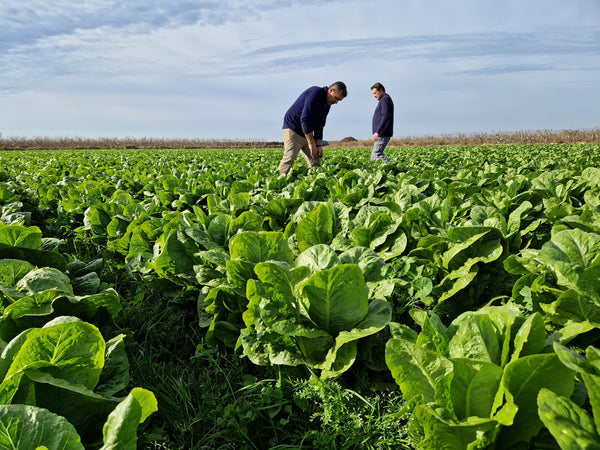
Straight from the Field to You
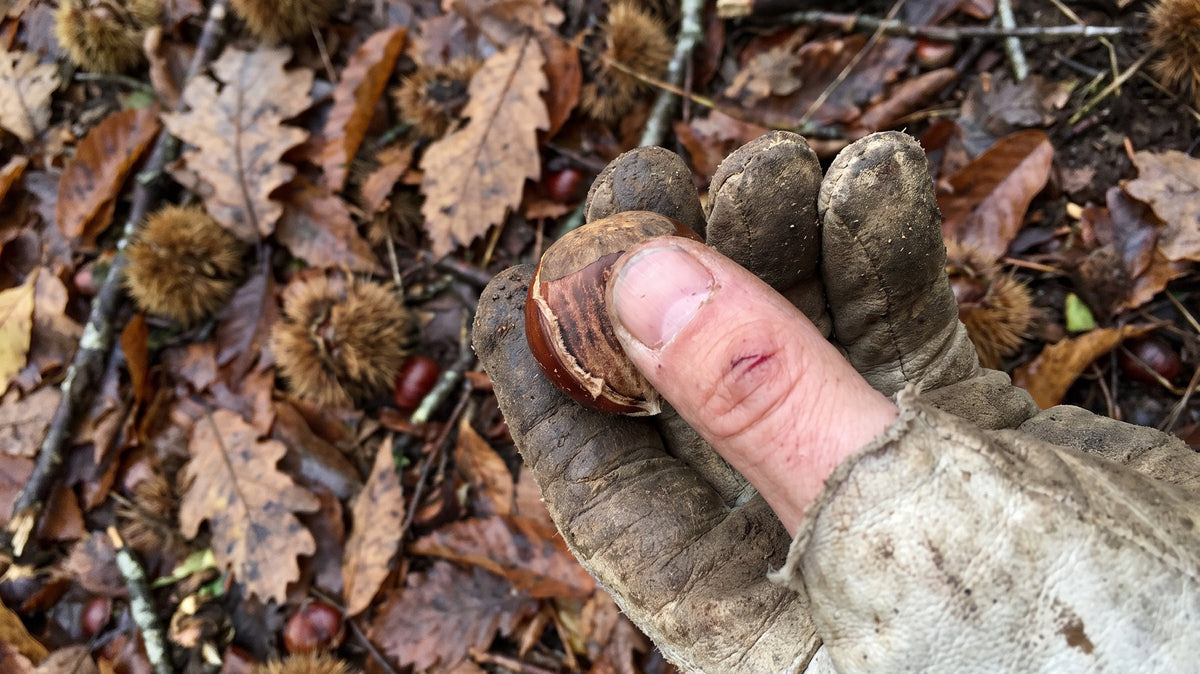
Can you eat chestnuts raw?
Out in the field we eat them raw mid-morning instead of a sandwich. We'll show you how to peel them, why their thin skin leaves your mouth rough like an unripe persimmon, and why chestnuts have almost no fat.
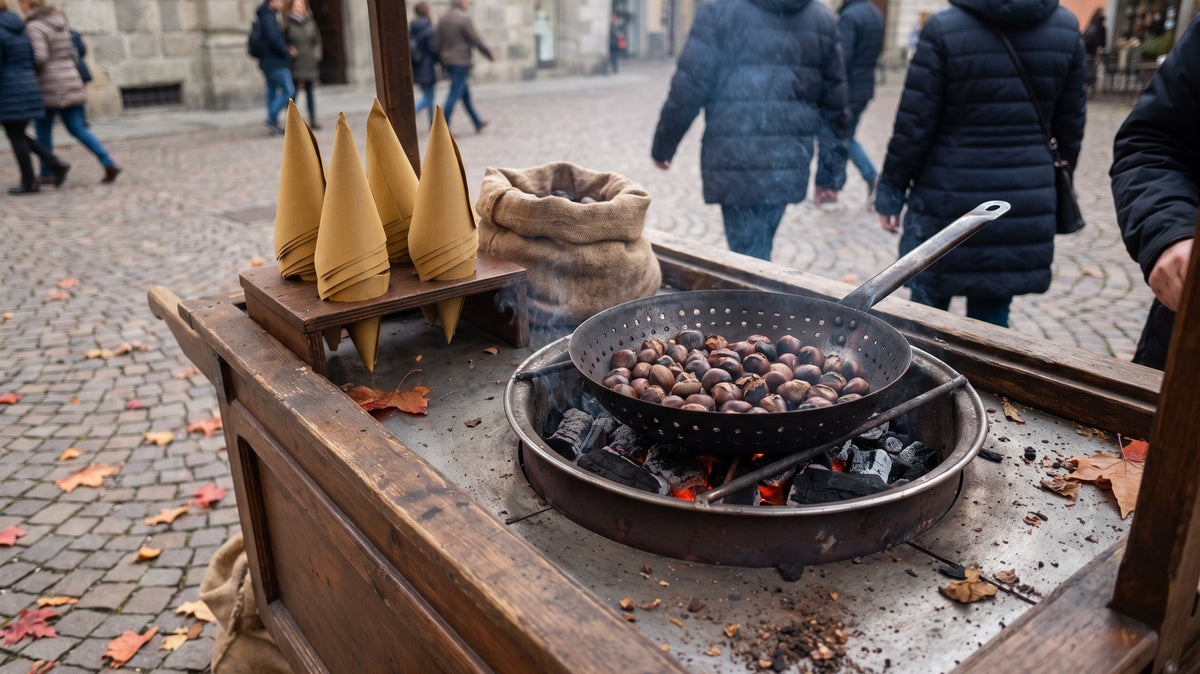
Roasted chestnuts at home, just like the street vendor's
Give them a grin, into the oven and they cook themselves. How to roast chestnuts at home in the oven, a pan or the air fryer, the trick to peel them easily, how to store them roasted and other ways to enjoy them.

Where chestnut trees grow and why they love hillsides
The chestnut tree draws a line on the mountain: above or below it, it no longer gives chestnuts. We'll tell you what altitude, climate and soil it needs, why it pops up anywhere and what happens when nobody looks after it.

How chestnuts are harvested, one burr at a time
Grab the burr, step on it, take out the chestnut and blow. Antonio tells us how chestnuts are harvested by hand, about grandpa's 50 céntimos per bucket and what happens to them from the moment they fall from the tree.
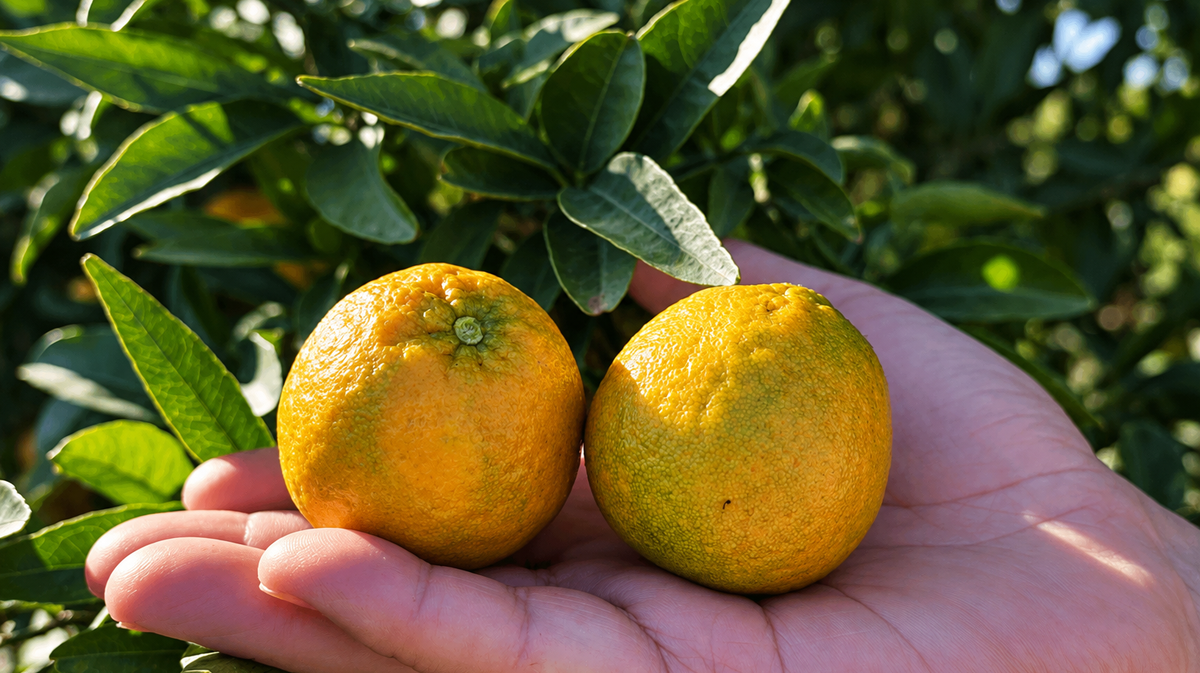
Hard-to-peel mandarins: why the peel sticks
If the peel sticks when you peel a mandarin, it's not down to the rain or when it was picked: it's the variety. We tell you from the field why it happens and whether there's any trick to change it.
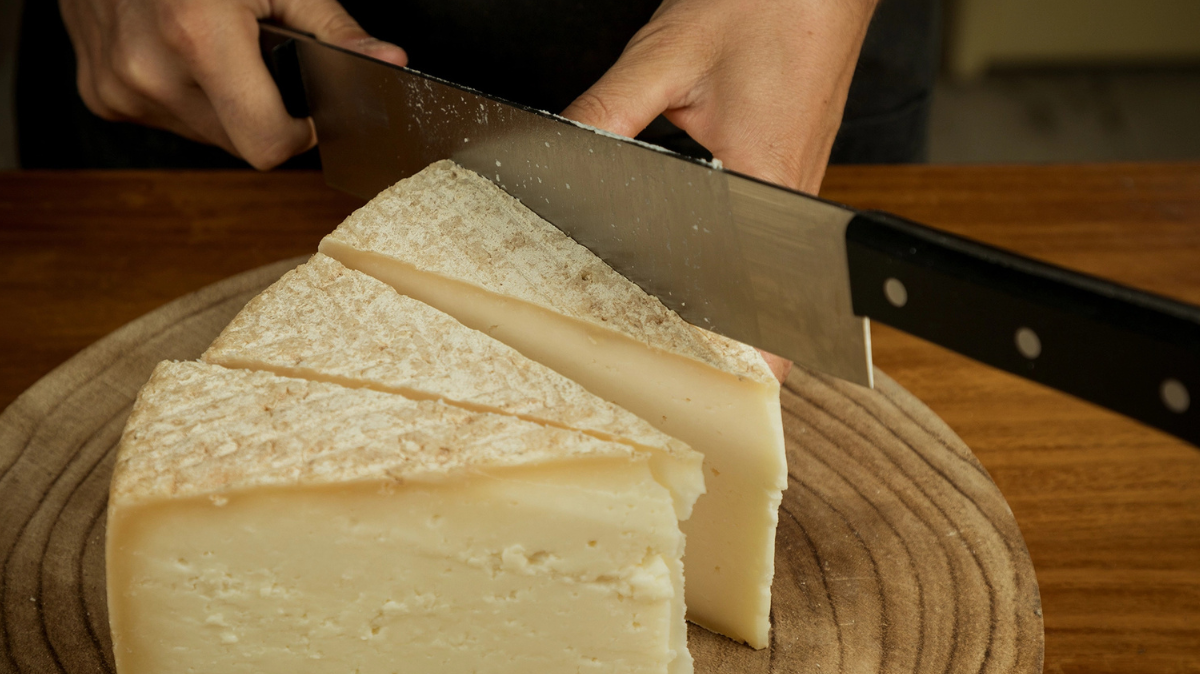
Cheese rind: can you eat it? And what to do about mould in the fridge
Natural rind, wax, paraffin or plastic: not all of them are edible. Sergio, who makes our cheeses, explains why they breathe and how he deals with mould, and we go over what health authorities say and how to store cheese at home.
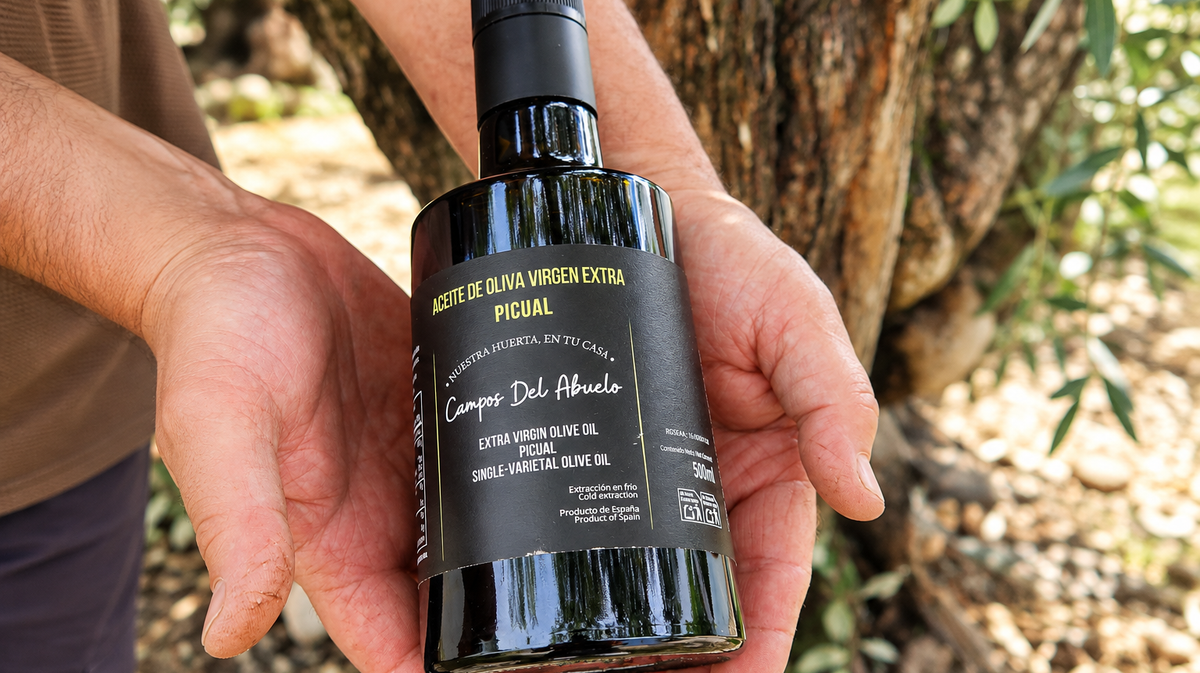
New olive oil cloudy with sediment: is it normal or has it gone bad?
Freshly milled olive oil comes out cloudy with sediment: that's normal, it hasn't gone bad. Straight from the farm, we tell you what that sediment is, how long it takes to settle and the difference between unfiltered and filtered oil.
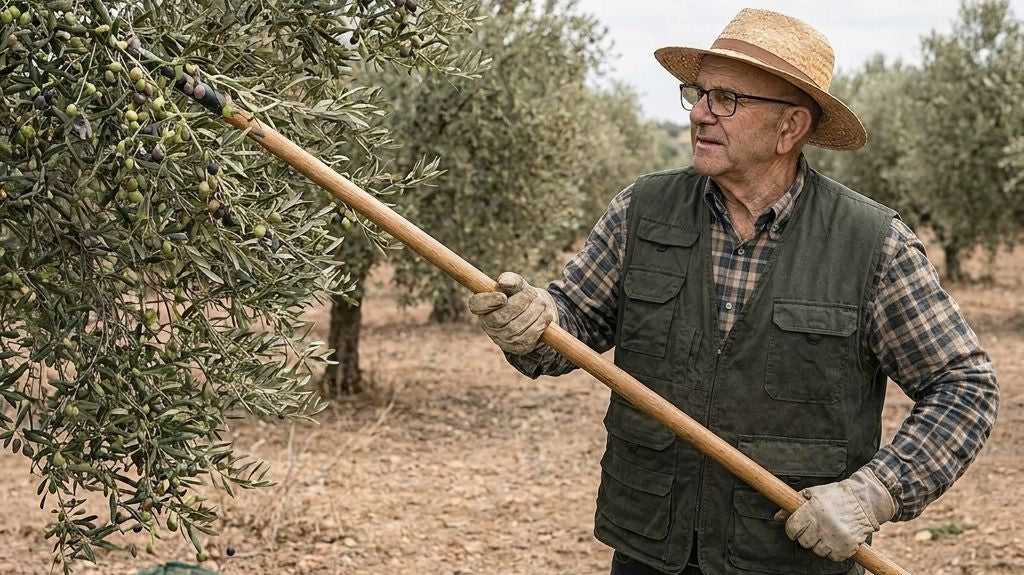
Why good extra virgin olive oil tastes peppery and bitter
The kick and bitterness of a good extra virgin olive oil come from polyphenols, its natural antioxidants. We tell you straight from the field why it happens, why it varies by variety and why it goes cloudy in the cold.
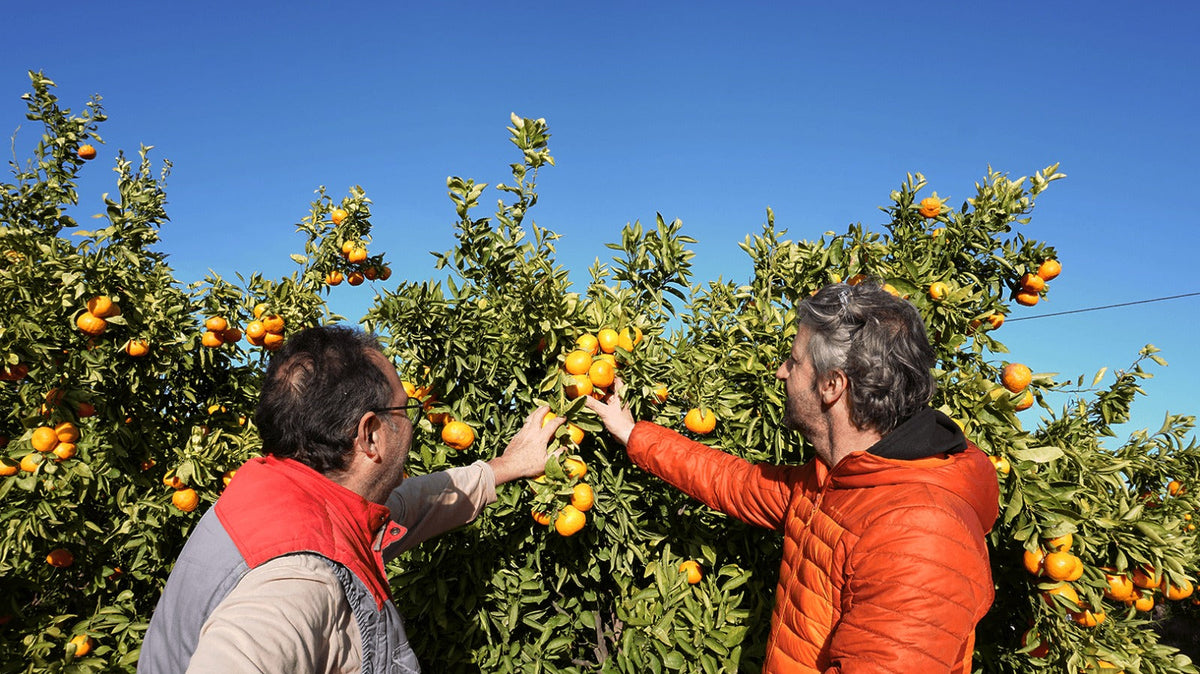
Mandarin dry inside: why it happens and how to always pick a juicy one
If a mandarin feels lighter than it should for its size, it might be dry inside. Straight from the field, we tell you why it happens and how to always pick a juicy one.
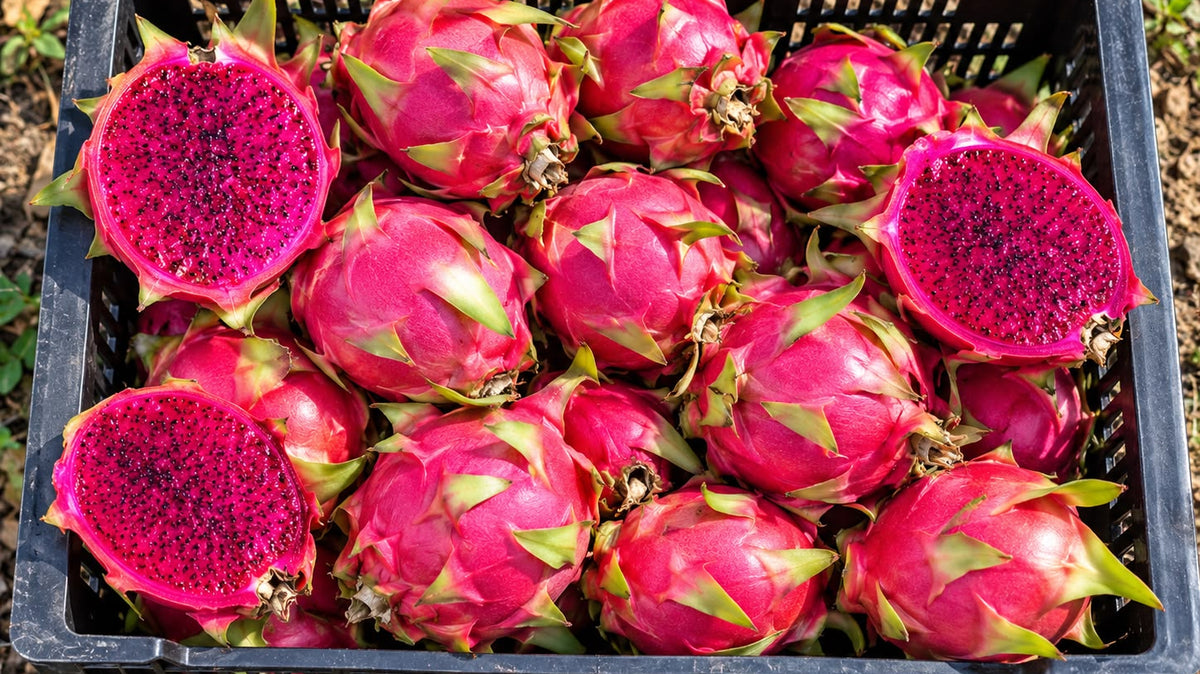
Why does dragon fruit taste of nothing? And how to tell if it's ripe
If you've tried dragon fruit and it tasted like water, it was almost certainly cut too early. A fellow farmer who grows it explains how he knows it's ready, why so many taste of nothing and how long it keeps at home.
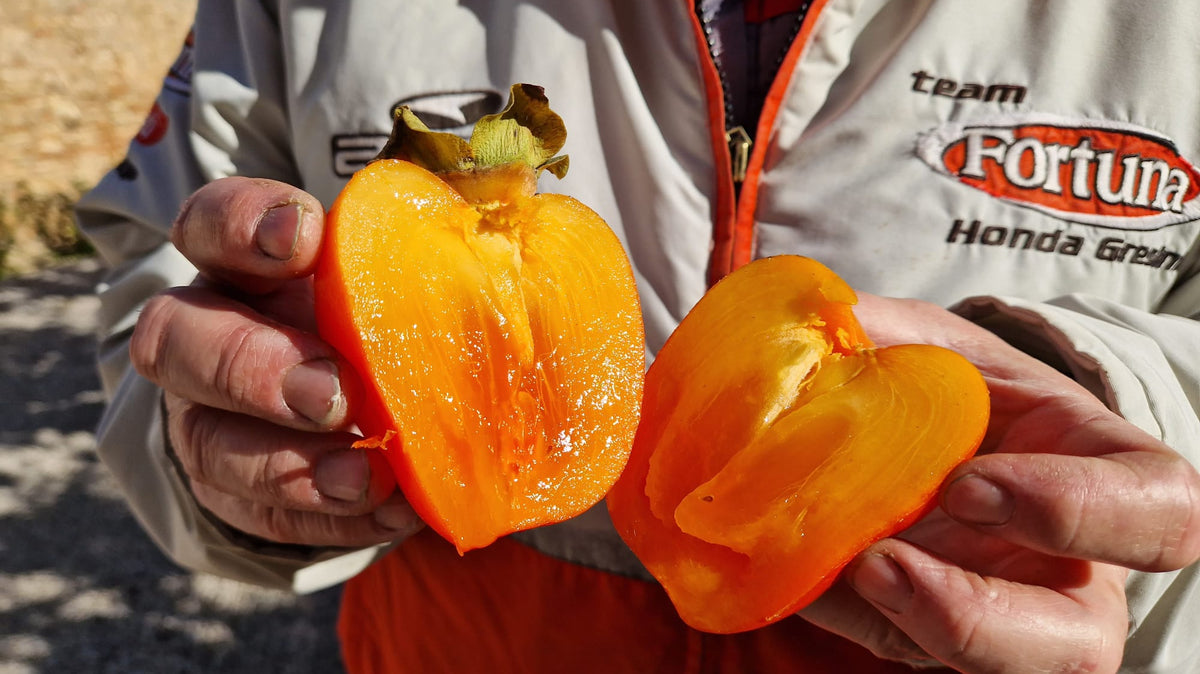
Can you eat persimmon skin? What we do on the farm
You can eat the skin of a firm Rojo Brillante persimmon, just like an apple's. A fellow persimmon grower shares how he eats them, how to peel a soft one without it falling apart, and the stage at which it's truly extraordinary.
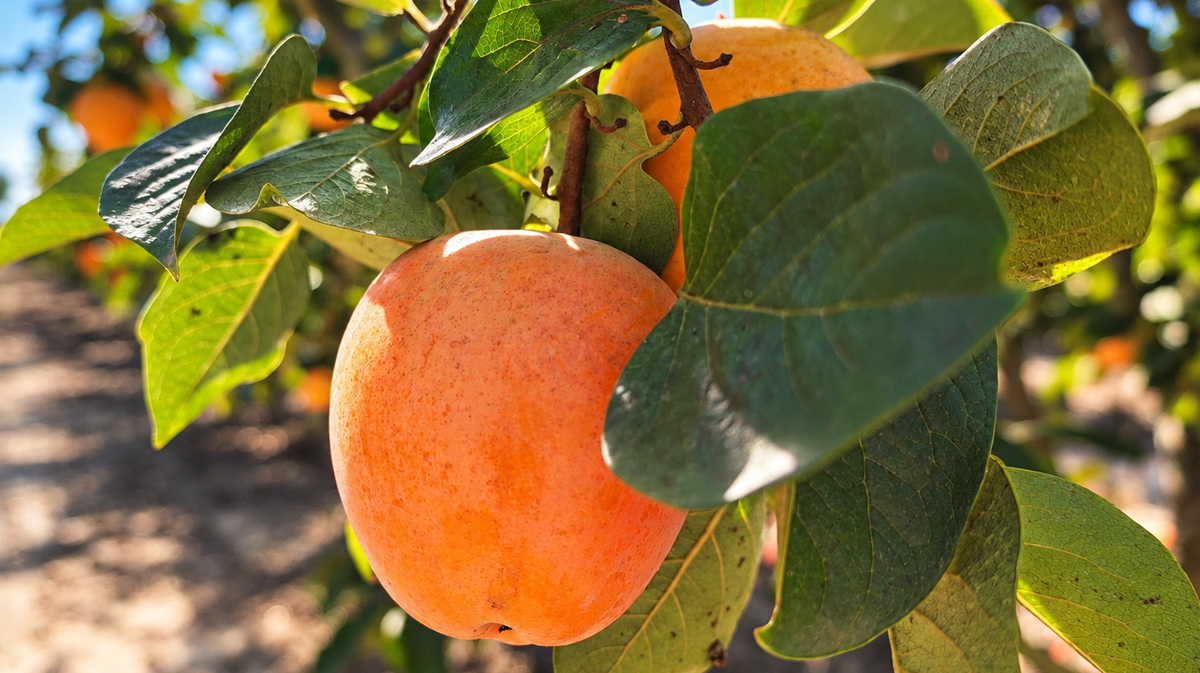
Persimmon with brown spots inside: is it safe to eat?
Yes, a persimmon with little brown spots or streaks inside is just as good to eat. A fellow persimmon grower explains where those spots come from and why they don't affect the flavour.

