
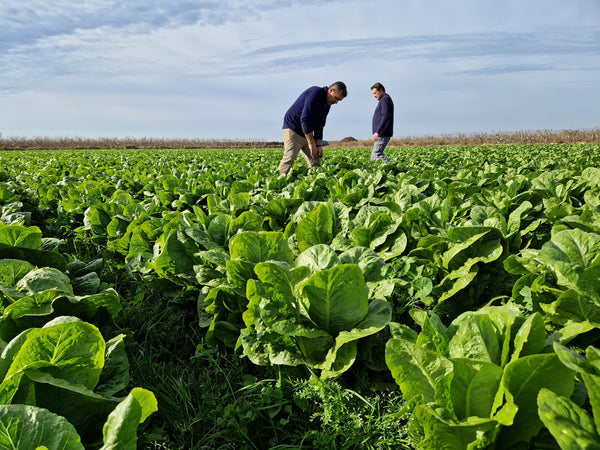
The Citrus Price Board of the Valencia Exchange opened the 2026/2027 season with Navelina oranges at 0.27 euros per kilo and Okitsu satsumas at 0.305. AVA-ASAJA puts the break-even point for both above those figures. Out in the fields, several citrus growers say they still haven't received a single purchase offer.
The season's first bulletin came out on 8 September. Oronules mandarins top the prices at 0.65 euros per kilo, followed by Clemenules and Orogrande at 0.45, Arrufatina at 0.425 and Marisol at 0.375.
The two varieties that open the season are priced below cost. Okitsu trades at 0.305 euros when, according to AVA-ASAJA, average production costs exceed 0.33. Navelina fetches 0.27, against a break-even point the organisation itself puts at around 0.32: a loss of five cents per kilo.
The organisation headlines its statement "stable prices". Navelina is trading three cents lower than at this point last season.
A price nobody has offered yet
The growers we spoke to add something the price listing doesn't show: so far, there are no deals. A citrus grower from the Ribera Alta sums it up: "So far, nobody's offered me anything. The packing house hasn't offered me anything. I hope things start moving a bit next week."
The explanation he gets from buyers suggests the standstill comes from higher up: "I haven't sold, I'm waiting. The buyers say they have no purchase order and that when they do, they'll call me."
His take on why the market has stalled is harsher, and he frames it as his own impression: "This year, for the first time, the traders have come to an agreement and nobody has gone out to buy a single kilo of oranges at this time of year." There is no known investigation into the matter.
Half a harvest
On top of the price comes a short season. The same grower expects a yield well below normal on his farm: "I think it's one of the weakest years in a long time. There won't be more than 150 arrobas per hanegada. Normally it's about 300, or 280. I reckon I'll be at half or less."
Fewer kilos and a starting price below cost squeeze income from both ends at once: the exchange price sets what each kilo is worth, but not how many kilos there are or when the buyer shows up.
Industry sources describe a start with slow buying, a factor that usually pushes prices down in the first weeks of the season.
The price board meets weekly. Bulletin number 800, from 15 September, is already out, and the next one will tell whether Navelina bounces back or settles below cost.
Sources: AVA-ASAJA — First citrus exchange confirms stable prices in the field · Agronews — Navelina and Okitsu barely cover costs · FreshPlaza — Slow buying and prices slightly lower than 2025


