
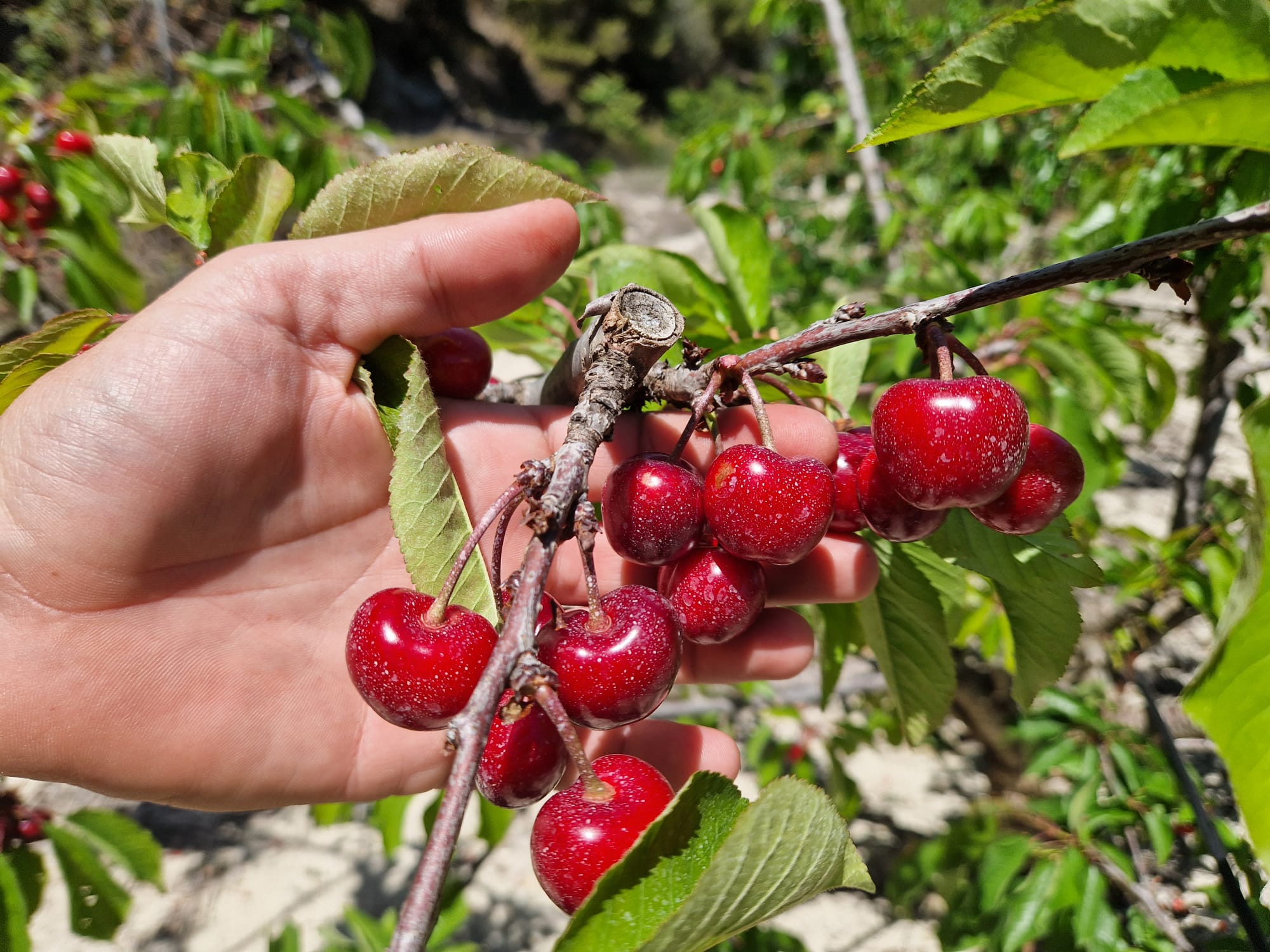
Cherries are small red gems that not only delight our palate with their sweet taste, but also offer an impressive array of health benefits. Rich in vitamins, minerals, and bioactive compounds, these seasonal fruits are true wellness powerhouses that can transform our health in multiple ways. From improving sleep quality to fighting inflammation, cherries deserve a privileged place in our daily diet.
What makes cherries so special? Their nutritional profile
Before delving into their benefits, it's important to know what these little wonders contain. For every 100 grams of fresh cherries, we get approximately:
- 63 calories
- 16 g carbohydrates
- 2.1 g dietary fiber
- 1.06 g protein
- 0.3 g fat
- 7-15 mg vitamin C
- 234-255 mg potassium
- Significant amounts of calcium, iron, and magnesium
- Melatonin (0.1-0.3 µg), especially in tart varieties
This nutritional profile makes cherries a low-calorie but high-nutritional-value food, ideal for inclusion in a balanced and healthy diet.
Improve your sleep with cherries: the secret is in melatonin
One of the most notable benefits of cherries is their ability to improve sleep quality. This is mainly due to their natural melatonin content, a hormone that regulates our sleep-wake cycle.
Cherries, especially tart varieties and those from the Jerte Valley, contain significant amounts of endogenous melatonin. Studies from the University of Extremadura have shown that consuming approximately 25 tart cherries a day can increase the levels of this hormone by 15%, significantly improving sleep latency in people with insomnia.
In addition, cherries contain tryptophan and serotonin, neurochemical precursors that not only help regulate sleep but also modulate our mood. This natural combination makes cherries a perfect ally for those looking to improve their rest without resorting to artificial supplements.
As Alexander, a Valencian farmer with years of experience in cherry cultivation, told us: "Customers comment on the melatonin, although I haven't heard anything so specific. I think fruit, and cherries in particular, are key to our health, although it's a shame that in Spain we are moving towards more fast-food diets."

Powerful antioxidants: the secret to their color and benefits
The vibrant red color of cherries is not just a visual attraction, but an indicator of their high content of anthocyanins, potent antioxidant pigments which, along with ellagic acid, are responsible for 70% of their antioxidant activity.
These bioactive compounds fight free radicals in our body, reducing oxidative stress and cellular inflammation. In fact, cherries surpass other fruits like strawberries in their antioxidant capacity, making them exceptional allies for:
- Protecting our cells from oxidative damage
- Reducing the risk of chronic diseases
- Fighting premature aging
- Strengthening our immune system
Quercetin, another flavonoid present in cherries, has anti-inflammatory properties that can help alleviate conditions like arthritis and other joint problems.
Cherries for a healthy heart: natural cardiovascular protection
Cardiovascular health is another area where cherries demonstrate their power. The anthocyanins present in these fruits inhibit the oxidation of LDL-cholesterol (the so-called "bad cholesterol"), significantly reducing the risk of atherosclerosis.
Furthermore, their high potassium content (234-255 mg per 100g) counteracts the negative effects of sodium in our body, helping to maintain stable blood pressure. This mineral is essential for regulating fluid balance and muscle function, including the heart muscle.
In Spain, where cardiovascular diseases cause approximately 28.3% of deaths, including cherries in our diet can be a smart nutritional strategy to naturally and deliciously protect our heart.
Natural relief for arthritis and gout
The anti-inflammatory properties of cherries make them a natural ally for people suffering from inflammatory conditions such as arthritis and gout.
A study published in the Journal of the American Medical Association revealed that regular consumption of cherries (approximately 45 Bing cherries daily) managed to reduce uric acid levels by 14% in patients with gout. This effect is mainly attributed to anthocyanins and ellagic acid, which block the xanthine oxidase enzyme involved in the production of urates.
Although from practical experience, some farmers like Alexander have not received specific feedback on these benefits: "I haven't heard such specific things. I think cherries are good for health in general, but to say they are good for a specific thing... I haven't received such comments." However, scientific evidence supports these anti-inflammatory benefits.
Glycemic control and diabetes prevention
For those concerned about their blood sugar levels, cherries offer excellent news: they have a low glycemic index (22) and contain soluble fiber that reduces glucose absorption in the intestine.
A clinical trial published in the journal Food & Function observed that daily consumption of 200 ml of cherry juice decreased insulin resistance by 23% in prediabetic patients. Additionally, cherries stimulate insulin secretion in the pancreas by more than 40%, contributing to better glycemic control.
These properties make cherries an ideal fruit for people with diabetes or at risk of developing it, allowing them to enjoy a natural sweet taste without the blood sugar spikes associated with other sugary foods.

Brain protection and cognitive function
Our brain also greatly benefits from regular cherry consumption. The combination of antioxidants they contain prevents oxidative stress in neurons, a factor linked to the development of neurodegenerative diseases such as Alzheimer's.
The Alzheimer's Foundation Spain recommends the consumption of cherries to delay cognitive decline, highlighting their role in protecting long-term memory. Their bioactive compounds help to:
- Improve cerebral circulation
- Protect neurons from oxidative damage
- Reduce neuronal inflammation
- Enhance cognitive functions
It's no coincidence that cherries are sometimes referred to as "brain food," as their benefits for mental and cognitive health are supported by scientific research.
Cherries for radiant, youthful skin
Beauty also thrives on cherries. Their high vitamin C content (7-15 mg per 100g) is essential for collagen synthesis, the protein responsible for maintaining our skin's elasticity and firmness.
The antioxidants present in cherries combat free radicals that cause premature aging, helping to:
- Reduce the appearance of wrinkles and fine lines
- Improve skin texture and luminosity
- Prevent hyperpigmentation and dark spots
- Protect skin from damage caused by sun exposure
Additionally, their anti-inflammatory effect helps reduce problems such as redness and skin inflammation, contributing to healthier and more radiant skin.
Allies for weight loss and appetite control
Contrary to what some might think due to their sweetness, cherries are excellent allies for those looking to control their weight. With only 63 calories per 100 grams and a high fiber content (2.1g), these fruits have great satiating power.
Their fiber not only helps control appetite, but also improves intestinal transit and contributes to healthy digestion. In addition, their low glycemic index prevents blood sugar spikes that often lead to cravings and uncontrolled hunger.
Cherries also have diuretic properties that help combat fluid retention, contributing to a feeling of lightness and general well-being.
Muscle recovery for athletes
Athletes and physically active individuals have a natural ally in cherries for their recovery. Thanks to their anti-inflammatory properties, these fruits can help reduce post-exercise muscle soreness and accelerate recovery after intense training.
Studies have shown that consuming tart cherry juice can improve performance in endurance exercises by increasing oxygen flow to muscles. This is because the anthocyanins present in cherries improve blood circulation and reduce muscle inflammation.
A study from the University of Rochester found that athletes who consumed 30 ml of tart cherry concentrate after training reported 30% less muscle soreness compared to those who did not.
Jerte Cherries: Spanish pride
Spain has the privilege of boasting one of the most highly valued cherry varieties in the world: the Picota del Jerte. With its Protected Designation of Origin (PDO), this cherry cultivated in the microclimates of Extremadura is distinguished by unique characteristics:
- High melatonin content (0.25 µg/g)
- High concentration of anthocyanins (200 mg/100 g)
- Unmistakable sweet taste
- Absence of stem or "tail" (a characteristic of picotas)
In 2023, production in the Jerte Valley reached 8,815 tons, with exports to Germany and the United Kingdom accounting for 40% of its commercialization. Its cultivation, rooted in local traditions, also boosts gastronomic tourism, with annual festivals attracting more than 50,000 visitors.

Cherry varieties: a world of flavors and benefits
The universe of cherry varieties is surprisingly diverse. Each is classified primarily according to its ripening season:
Early varieties (late May to early June)
- Burlat: Intense red color and medium size, it is the most popular early variety. Initially tart, it sweetens over time.
- Marvin: Similar to Burlat, with a good balance between tartness and sweetness.
Mid-season varieties (mid-June to early July)
- Summit: Intense red color and large size, prized for its firmness and excellent flavor.
- Van: Canadian picota-type variety, very productive with a sweet taste and a hint of tartness.
- Starking: Of American origin, large size and dark red color.
- Bing: Traditional American variety, known for its sweet flavor and medium size.
Late varieties (late July to early August)
- Sunburst: Large size and excellent flavor.
- Lapins: The most widely planted cherry in the world, prized for its large size, sweet flavor, and resistance.
- Napoleon: Of German origin, bicolor and widely used by the industry.
- Sweetheart: Bright red color and sweet flavor, ideal for desserts.
As Alexander, a Valencian farmer, explains: "We cultivate varieties like Sweetheart and Primijan, which adapt well to our farming methods. Ultimately, there are many varieties on the international scene and some work better here than elsewhere."
Sustainable agriculture: cherries with environmental awareness
The way cherries are grown also influences their quality and benefits. In Spain, more and more farmers are adopting sustainable practices that respect the environment and improve the nutritional profile of the fruits.
Alexander shares his experience with us: "We have stopped tilling and with that we increase organic matter in the fields. They are full of healthy herbs, and also legumes, which provide nitrogen to the plant. This is noticeable in the taste, and perhaps a little less in the cherry, but it is noticeable."
These sustainable practices include:
- Drip irrigation techniques to save water
- Biological pest control
- Increased biodiversity in crops
- Use of organic fertilizers
Spain leads Europe in the conversion to organic cherry cultivation, with annual growth of 12% since 2020. These techniques have reduced water use by 20% and pesticides by 35%, contributing to a healthier and more environmentally friendly final product.
How to incorporate cherries into your daily diet
Reaping all the benefits of cherries is as simple as it is delicious. Here are some ideas for including them in your diet:
- Fresh: The most natural and nutritious way to consume them, retaining all their properties.
- In smoothies: Combine them with natural yogurt or plant-based milk for an energetic breakfast.
- In salads: They add a sweet and colorful touch to green salads, especially when paired with soft cheeses.
- In healthy desserts: As a topping for yogurt, oatmeal, or in homemade tarts with less sugar.
- Preserved naturally: To enjoy them out of season, prepare them in a light homemade syrup.
- In juices: Tart cherry juice is especially beneficial for athletes and people with sleep problems.
Ideally, consume them during their season (May to August, depending on the variety), when they are at their optimal ripeness and their nutritional properties are at their peak.

Frequently asked questions about the benefits of cherries
Can cherries really help you sleep better?
Yes, cherries, especially tart cherry varieties, contain natural melatonin, the hormone that regulates our sleep cycle. Scientific studies have shown that consuming cherries or their juice can improve sleep quality and reduce insomnia. To get this benefit, it is recommended to consume about 25 cherries or 30 ml of concentrated tart cherry juice before bedtime.
What is the best cherry variety for health benefits?
All cherry varieties offer health benefits, but some stand out for specific properties. Tart cherries (like Montmorency) have a higher content of melatonin and anti-inflammatory compounds, making them ideal for improving sleep and reducing pain. Sweet cherries like Bing or Rainier are excellent sources of antioxidants and have a more pleasant taste for direct consumption. Picotas del Jerte (Spain) combine high nutritional value with exceptional flavor.
Is it true that cherries can help relieve arthritis pain?
Yes, there is scientific evidence supporting the use of cherries to relieve joint pain. Their anti-inflammatory compounds, mainly anthocyanins, help reduce inflammation and pain in conditions such as arthritis and gout. A study published in the Journal of the American Medical Association showed that regular consumption of cherries reduced gout attacks by 35%. To obtain these benefits, it is recommended to consume between 45-50 cherries daily or their equivalent in juice.
How many cherries can you eat a day to take advantage of their benefits without overdoing it?
A healthy serving of cherries is approximately 20-25 units (about 100 grams). This amount provides a good dose of antioxidants, vitamins, and minerals without exceeding calories or natural sugars. For specific benefits such as improving sleep or reducing inflammation, some studies have used doses of up to 45-50 cherries per day. People with diabetes should consult their doctor about the appropriate amount, as although they have a low glycemic index, they contain natural sugars.
Do cherries lose their properties if frozen?
No, freezing cherries is an excellent way to preserve most of their nutrients and bioactive compounds. In fact, some studies suggest that the freezing process can help break down cell walls, making certain antioxidants more bioavailable. To freeze them correctly, wash and dry the cherries thoroughly, remove the pits if desired, and place them in airtight bags. They can be stored frozen for up to 12 months, perfect for smoothies, desserts, or thawed as a healthy off-season snack.
Conclusion: small in size, big in benefits
Cherries are much more than a delicious seasonal fruit; they are true allies for our health. Their exceptional combination of vitamins, minerals, fiber, and bioactive compounds makes them a natural superfood that can significantly contribute to our well-being.
From improving our rest thanks to their natural melatonin to protecting our heart, brain, and joints with their powerful antioxidants, cherries deserve a prominent place in our diet. Their versatility in the kitchen and their delicious flavor make incorporating them into our diet as pleasant as it is beneficial.
At Campos del Abuelo, we are proud to offer the highest quality cherries, cultivated with sustainable practices that respect both the environment and Spanish agricultural tradition. We invite you to discover our cherries and experience for yourself all the benefits that this wonderful fruit can bring to your life.


Comments
Su información me pareció muy enriquecedora, es importante saber que alimentos contribuyen a una buena salud. Gracias