
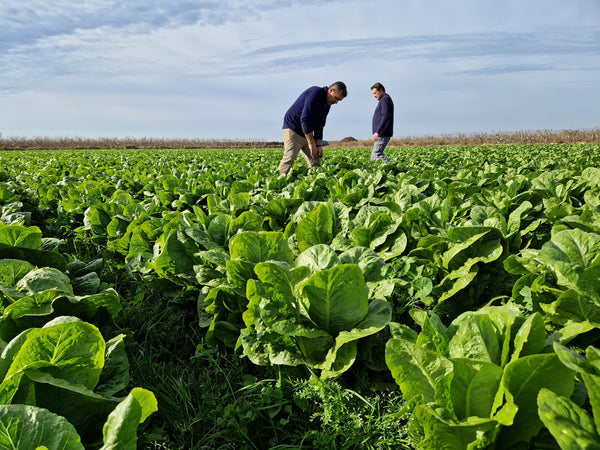

We're farmers, but we like to stay informed. That's why we listened to our customers' questions and decided to look into something many of you ask us about: the relationship between eating blueberries and diabetes.
So here we go: straight from the field, but with support from the practice of nutritionist Ana Colomer, we'll tell you everything we've been able to find out about this delicate topic.
To get straight to the point: Yes, if you have diabetes you can eat blueberries and, well integrated into your meals, they can help you. They have a low glycaemic index and provide fibre and anthocyanins that support metabolic control and heart health.
We'll tell it the way we live it in the field: when the blueberry is at its best, we pick it in the cool of the morning and ship it with no naps in between. That closeness shows in flavour and freshness. And when you also eat sensibly, the results follow.

Blueberries and diabetes: can I eat them if I have diabetes?
In a diabetes diet, blueberries fit in without any problem if you stick to the portion and combine them well. Guidelines like those from the Spanish Diabetes Society and practical resources such as MedlinePlus remind us that the key is the total amount of carbohydrates in each meal and prioritising foods with fibre and a low glycaemic index (GI).
In fact, educational platforms for people using continuous glucose monitoring in Spain point out that whole fruit fits in every day and that it's worth knowing its portion size and GI. You'll find it clearly explained in the guide to suitable fruits if you have diabetes, which highlights red berries for their low glycaemic load.
And if you choose local blueberries, freshly picked and traceable, you get real freshness. Feel free to read our field report on the blueberry harvest in Spain and you'll see why we insist so much on origin and a short post-harvest.

Scientific evidence that really matters in 2026
Large observational studies have found that people who eat red berries rich in anthocyanins, blueberries among them, have a lower risk of developing type 2 diabetes. The meta-analysis in the European Journal of Clinical Nutrition estimated reductions of 15 to 18 per cent with higher intakes of anthocyanins and berries, a solid signal in favour of regular consumption.
The popular-science reviews from NutritionFacts in Spanish also report interesting acute effects: boosting post-meal antioxidant defences and reducing oxidative damage after high-GI meals, a mechanism that works in our favour when there's insulin resistance.
As for the why, blueberry anthocyanins have been shown to activate AMPK, the enzyme that regulates how we use glucose and fats. In vitro and animal models have shown glucose-lowering and lipid-lowering effects linked to that pathway, as summarised in this paper on ScienceDirect. It all adds up in favour of regular consumption.
As nutritionist Ana Colomer tells us:
Blueberries can perfectly well be part of a healthy diet for people with diabetes. Blueberries provide fibre, vitamins and a large amount of antioxidant compounds, especially anthocyanins, which have been linked to possible benefits for heart health and glucose metabolism.
That said, no single food improves diabetes on its own. What really matters is the diet as a whole and lifestyle. I usually recommend them as just another fruit within a balanced diet, adapting the amount to each patient's needs.
Useful takeaway for home: including blueberries several times a week, in portions adjusted to your plan, can help. If you'd like to dig deeper, on our blog we've gathered field notes and articles on the benefits of eating blueberries.

What's their glycaemic index and how many make a safe portion?
Blueberries have a GI of around 53, which is low for a sweet fruit. Their glycaemic load per portion is low, around 4 for a standard serving, which means gentler rises in glucose. You can compare them with other fruits in the table from the Clínica Universidad de Navarra.
As for portion size, a practical amount for many people is between 60 and 100 grams, and up to 125 grams if the rest of the carbs in that meal is low. Some databases put the carbs per 100 grams between 8 and 14 grams, depending on variety and source, so the sensible thing is to count portions, check your curve and adjust with your care team.
| Fruit | Approximate GI | Useful note |
|---|---|---|
| Blueberries | 53 | Low GI and low glycaemic load |
| Strawberries | 32 | Very favourable in generous portions |
| Apple | 35 | A low-GI classic |
| Pear | 38 | Similar to apple |
| Kiwi | 50 | Medium-low, moderate portion |
| Grapes | 59 | Best in small portions |
| Watermelon | 72 | High GI, pair it with protein |

Nutritional profile and why they do you so much good
Blueberries are light in calories and provide fibre and plenty of water. What sets them apart is their richness in polyphenols, especially anthocyanins, along with vitamins like C and K and minerals like manganese. That combination is linked to a better insulin response, less oxidative stress and a feeling of fullness that helps you avoid snacking on ultra-processed foods.
Not all blueberries are the same. There are different blueberry varieties, differing in size, flavour, firmness and harvest season.
Besides blueberries, other berries share the benefits and, in fact, several analyses recommend rotating them. If you want an easy-to-read overview of their potential cardiometabolic effects, take a look at this summary on Canal Diabetes. The message is always the same: whole fruit, a measured portion and repeated every week.
How to fit blueberries into your daily life with diabetes
They work best when you pair them with protein and healthy fats. That way absorption is slower and steadier, and the post-meal spike is usually smaller. Think natural yoghurt, kefir, whipped fresh cheese, walnuts or chia seeds adding texture and fullness. On this, the advice from our trusted nutritionist Ana Colomer is as follows:
I like to combine them with foods rich in protein and healthy fats, such as natural yoghurt, kefir, nuts or seeds. This way we make carbohydrate absorption slower and encourage a greater feeling of fullness.
Rather than focusing on a single food, we should always look at breakfast as a whole.
- Breakfast: 80 grams of blueberries with natural yoghurt and 2 tablespoons of wholegrain oats.
- Afternoon snack: a small handful with 10 to 15 grams of walnuts or almonds.
- Lunch: green leaf salad, 60 grams of blueberries, fresh cheese and olive oil.
- Dessert: blueberries with sugar-free whipped cheese and cinnamon.
| When | What and how much | Why it helps |
|---|---|---|
| Before or with a meal | 60 to 80 g of blueberries with natural yoghurt | Fibre and protein that soften the spike |
| Snack | 80 g of blueberries with 15 g of walnuts | Unsaturated fats that stabilise blood glucose |
| Dinner | 60 g with whipped fresh cheese | A filling dessert with no added sugar |

Fresh in season vs juices, jams and dried berries
Whole fruit is the winning choice. Juice removes the fibre, speeds up absorption and may contain added sugar, just like many shop-bought jams. MedlinePlus makes it clear: fresh or frozen fruit without added sugars is better than fruit drinks and sweets. Read it in their practical guide on eating well if you have diabetes.
Be careful with dried blueberries, because losing water concentrates their sugars and they often include syrups. A typical pack can have around 30 grams of sugar per 40 grams of product, the equivalent of several spoonfuls of table sugar, so it's best kept for occasional use. If you make homemade jam, make it sugar-free with chia to keep the texture, but remember it's not the same as fresh fruit.
Fibre-rich snacks with cranberries have shown improvements in post-meal spikes, though always within a planned meal. Even so, the advice that never fails is to choose fresh blueberries.
Artisan, local blueberries in Spain
When blueberries travel little, they arrive with their natural bloom intact, firm and fragrant. That's how we do it in the field: harvest at dawn, cool quickly and head off to your home without sleeping in cold stores forever. On this, Colomer notes:
From a nutritional point of view, the differences are usually small if storage has been adequate. Freshly picked blueberries tend to stand out for their flavour, aroma and texture, which makes the eating experience better.
However, we can't claim that this difference has a significant impact on fullness or glycaemic control. What really matters is the amount eaten and the context in which it's included in your daily diet.
As growers, we always say the same thing: ask for the harvest date and origin. If there's made-to-order shipping or same-day harvest, even better. If you're not happy, we'll refund your money. Here are our golden rules for getting it right when buying local:
- More freshness: less travel, longer life in your fridge.
- Better flavour: real ripeness shows in every bite.
- Sustainability: fewer kilometres and more traceability.

Buying and storing: signs of freshness and how to keep them
Choose firm berries, deep blue and with their natural bloom. Avoid punnets with too much juice or mould. At home, a simple winning trick: fridge, ventilated container and don't wash them until you eat them. Kept dry and cold, they last 10 to 15 days. If you want the details from the field, we explain it here: storing blueberries at home.
- As soon as they arrive: into the fridge.
- Don't wash them until you eat them.
- Freeze them in a single layer if you want them all year round.
Sensible precautions and myths worth leaving behind
- Stick to the portion size. Even though the GI is low, eating a large amount at once adds up carbs. Always adjust within your plan.
- Monitor your response. If you use a sensor, try blueberries with protein versus on their own and you'll see the difference. Don't fall for viral shortcuts without nuance, however common they are in TikTok videos or reels. The evidence supports pairing with fibre and fats, not miracles.
- If you take anticoagulants, keep your vitamin K intake steady and check with your care team. And never replace medication with food.
- Common myth: “fruit raises sugar just like juice”. Not true. Whole fruit, thanks to its fibre and chewing, has a smaller impact. As nutritionist Ana Colomer says:
Whenever possible I recommend eating them fresh or frozen. Dried blueberries concentrate the fruit's "sugar" as they lose water and, on top of that, many commercial products contain added sugars.
If you go for the dried version, it's essential to check the ingredients list and choose those that contain only blueberries, with no added sugar or syrups.
Growing on Spanish soil: season and regions, in a nutshell
Spain has a lovely advantage: we can enjoy local blueberries for much of spring and early summer, with staggered harvests from north to south. If you're curious about the farming side, on our blog we've gathered the keys to growing blueberries in Spain and the varieties that adapt best. Eating local means days in transit, not weeks, and your palate knows it.

FAQ: quick questions about blueberries and diabetes
Are frozen blueberries as good as fresh?
Yes. If they have no added sugar, they keep most of their nutrients and polyphenols. They're a practical option out of season and go perfectly in yoghurt or porridge.
Is it better to eat them before or after a meal?
Including them in the meal itself, with protein or healthy fat, helps flatten the spike. If you prefer having them just before, try it and check your curve with the sensor to choose what works best for you.
How do I count them in my carbs?
A handy guide is 60 to 100 grams per serving, which usually adds up to about one carb portion. Check your response and coordinate it with your regimen if you use insulin.
Can I simply swap sugary desserts for blueberries?
It's a great change. Blueberries give you sweetness, fibre and antioxidants with a low GI. If you pair them with natural yoghurt or nuts, the result is even better for your blood glucose.
Do blueberries “lower sugar” on their own?
They don't work like a drug. The evidence points to modest but useful benefits within a balanced diet and an active lifestyle. Never stop your treatment.
Conclusion and next step
Blueberries fit into diabetes and add value: low GI and glycaemic load, plus fibre and anthocyanins that support your control. The evidence in 2026 points to modest, lasting benefits when you eat them regularly, always within a complete plan and without stopping your treatment. Choosing whole fruit and, if you can, local and artisan, gives you freshness and pleasure without surprises.
If you value eating the way it used to be done, with traceability and honesty first, check out our guide to the blueberry harvest in Spain. When the season opens, we ship freshly picked, in flexible sizes from 1 kilo, with a full guarantee. If you're not happy, we'll refund your money. And if you like learning, save this article and visit our blog Straight from the field to keep adding health and flavour to your table.


