
Valencia is a city where ancient history meets architectural avant-garde, where the blue of the Mediterranean embraces fertile orchards, and where centuries-old traditions coexist with innovative proposals. If you're planning to visit the capital of Turia, you've chosen a destination that will captivate you with its perfect blend of culture, gastronomy, nature, and leisure. In this article, we reveal the most authentic and enriching experiences Valencia has to offer.
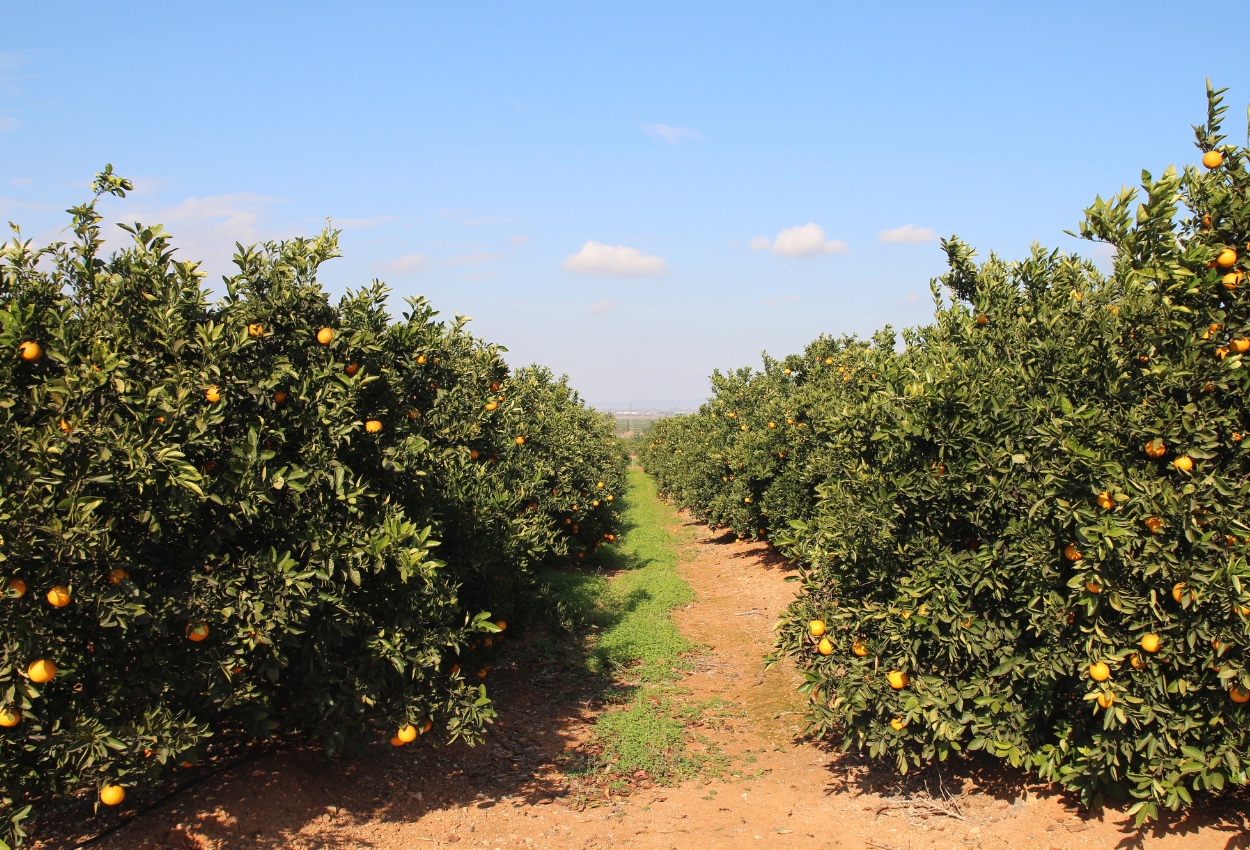
That said, before we dive into the list, Campos del Abuelo wants to extend a special invitation to you. Not because it's not important, but because it's unique: visit our orange and persimmon groves. And it's not just about being surrounded by nature; once you arrive, we'll make an authentic Valencian paella... And you won't just get to eat the traditional Valencian dish, you'll also learn how to make it. If you'd like to share a moment with us in the countryside, you can contact us on our WhatsApp. Please note that during the summer, we cannot offer the visit due to extreme heat, but you can still come for a delicious Valencian paella.
With that special invitation made, let's move on to the 25 experiences we recommend in Valencia:
The Historic Center: A Journey Through Time
The heart of Valencia holds centuries of history within its cobblestone streets and secluded squares. Starting your visit through this labyrinth of culture and history is essential to understand the Valencian soul.
1. Plaza de la Virgen and Cathedral Complex
The Plaza de la Virgen is the historical epicenter of Valencia, built on the ancient Roman forum. Here you'll find the majestic Cathedral of Santa María, a building that combines Romanesque, Gothic, and Baroque styles. You can't miss climbing the Miguelete, its 207-step bell tower, from where you'll get a breathtaking 360° panoramic view of the city.
Inside the Cathedral is one of its most valuable treasures: the Holy Chalice, considered by many to be the authentic Holy Grail. In 2025, the new augmented reality system will allow you to learn about the fascinating history of this relic dating back to the 1st century AD.
Orange blossom, a Valencian symbol you can admire in spring
2. La Lonja de la Seda: A Jewel of Civil Gothic Architecture
Declared a World Heritage Site by UNESCO in 1996, La Lonja de la Seda is a magnificent example of Valencian civil Gothic architecture. This 15th-century building was the nerve center of the silk trade when Valencia was a commercial power in the Mediterranean. Its Contract Hall with helical columns and its orange tree courtyard will transport you to the golden age of Valencian trade.
According to recent studies by the Municipal Archive, La Lonja also housed the first bill of exchange bank in Europe, demonstrating Valencia's commercial importance in the continent's economic history.
3. Getting Lost in El Carmen Neighborhood
Between the Torres de Serranos and the Torres de Quart lies El Carmen neighborhood, the bohemian heart of Valencia. Its labyrinthine streets preserve the city's medieval essence and hide magical corners such as the Portal de la Valldigna, the Plaza del Árbol, and the curious Casa de los Gatos.
"It's no longer just the historic center that's the favorite spot for travelers and tourists. Other neighborhoods in the Ensanche area also have attractions worth visiting," comments Amparo Morató, an art historian, museologist, and official guide accredited by the Generalitat Valenciana, who runs her project Descubre Valencia.
This ancient neighborhood grew between the Muslim and Christian walls, and today it is the epicenter of the city's nightlife and culture. Its medieval buildings coexist with urban graffiti, design shops, and avant-garde restaurants.
4. San Nicolás Church: The Valencian Sistine Chapel
A hidden treasure in the heart of the historic center is the Church of San Nicolás de Bari y San Pedro Mártir. Known as the "Valencian Sistine Chapel," its recently restored impressive Baroque frescoes, enhanced with LED technology, highlight the 1,800 m² of paintings depicting the lives of the patron saints.
The recent lighting restoration completed in 2025 has brought back the full splendor of these masterpieces of Valencian Baroque, making it a must-visit for art lovers.
Futuristic Valencia: Architecture and Science
If the historic center represents Valencia's glorious past, the City of Arts and Sciences symbolizes its commitment to the future and innovation.
5. City of Arts and Sciences: An Architectural Icon
Designed by Santiago Calatrava and Félix Candela, the City of Arts and Sciences is the most emblematic architectural complex of modern Valencia. This futuristic complex, which in 2025 received the prestigious international Green Architecture Award for its passive cooling system, consists of six main buildings:
- El Hemisfèric: An IMAX cinema shaped like a human eye
- El Museo de las Ciencias Príncipe Felipe: An interactive science museum
- El Umbracle: A garden with native species
- El Oceanogràfic: The largest aquarium in Europe
- El Palau de les Arts Reina Sofía: An opera house and auditorium
- El Ágora: A multifunctional space for events
In 2025, don't miss the immersive exhibition "Leonardo Da Vinci. 500 years of genius" at the Science Museum, an experience that combines art and technology to bring you closer to the Renaissance genius.
Discover how agriculture has progressed in Valencian society

6. The Oceanogràfic: A Journey Through the World's Seas
The Oceanogràfic is much more than an aquarium. With over 45,000 specimens from 500 different species, it is the largest aquarium in Europe and a true tribute to the planet's seas and oceans. Divided into ten areas representing different marine habitats, from the Mediterranean to the poles, it offers an educational and exciting experience for the whole family.
In 2025, the Oceanogràfic has incorporated a new area dedicated to marine conservation that showcases the effects of climate change on aquatic ecosystems and initiatives to protect them.
Urban Nature: Valencia's Green Lungs
Valencia is a privileged city that combines urban life with natural spaces of great ecological value, both within and around the city.
7. Turia Garden: The City's Green Lung
After the devastating flood of 1957, the Turia riverbed was diverted, and the old bed was transformed into a 9-kilometer linear park that crosses the city. Today, the Turia Garden is the largest urban park in Spain and Valencia's green lung.
In 2025, the park has incorporated the first section of the country's smart urban forest, with 2,300 trees equipped with IoT sensors that monitor air quality and humidity. Additionally, it features Spain's first kinetic pathway: 500 meters of tiles that generate energy with each step (2.1 kWh/day), enough to light part of the park.
Exploring the Turia Garden by bike or on foot is a refreshing experience that will allow you to discover different areas such as Gulliver Park, the Palau de la Música, and the City of Arts and Sciences itself.
8. L'Albufera: Nature in its Purest State
Just 10 kilometers from the center of Valencia lies the L'Albufera Natural Park, a unique ecosystem of great ecological value. This freshwater lake surrounded by rice paddies is the birthplace of paella and a paradise for nature lovers and photographers.
A traditional boat trip (albuferenc) at sunset is a magical experience that will allow you to witness one of the world's best sunsets while learning about this fragile ecosystem that is home to over 250 bird species.
In 2025, the park has implemented an intelligent reservation system that regulates the 2,800 daily visits using occupancy sensors, ensuring environmental conservation. Furthermore, traditional boats are now electric, reducing their environmental impact.
Experience a day as a farmer in the Valencian orchard

9. El Palmar: The Cradle of Paella
In the heart of L'Albufera lies El Palmar, an old fishing village now a gastronomic reference point. This enclave, just 20 minutes from Valencia, is considered the birthplace of Valencian paella.
Walking through its streets and canals will allow you to learn about the traditional way of life linked to rice cultivation and fishing. And, of course, you can't leave without trying an authentic wood-fired Valencian paella at one of its traditional restaurants.
"El Palmar is known for its exquisite local gastronomy where you can taste authentic Valencian paella, prepared over a wood fire with fresh ingredients," explains a local gastronomy expert.
Valencian Gastronomy: Beyond Paella
Valencian gastronomy is one of the city's great attractions. Although paella is its international ambassador, Valencia offers many more culinary delights to discover.
10. Central Market: The Temple of Fresh Produce
Valencia's Central Market, housed in a spectacular modernist building from 1928, is the largest fresh produce market in Europe. With its 959 stalls, it's the perfect place to discover the richness of Valencian gastronomy and acquire top-quality products.
In 2025, the market offers "Charming Rice Dishes" workshops on Saturdays at 11:00, where you can learn ancestral techniques for making authentic Valencian paella using orange wood, according to recipes certified by the Regulatory Council of the PDO Arroz de Valencia.
Strolling among its stalls, tasting local products, and letting yourself be carried away by the aromas and colors is a unique sensory experience that will connect you with the essence of Valencian gastronomy.
11. Innovative Gastronomic Experiences
The Valencian gastronomic scene has evolved far beyond traditional paella. In 2025, Valencia boasts four Michelin-starred restaurants, including the newly awarded Bice (2 stars), which experiments with artificial intelligence to create dishes like "Arroz de Sensorium," which modifies its aroma according to mood detected by biometric wristbands.
"Valencia is much more than paella. There are two typical drinks that are among the most sought after by tourists: Agua de Valencia and horchata. It's very fashionable now to have experiences that you remember beyond the places to visit. One idea could be to take a workshop, where they explain how to cook or make a cocktail," comments Morató, tourism guide for Descubre Valencia.
For a more informal but equally innovative experience, the Distrito Market (Carretero, 24) brings together 15 food trucks with offerings such as nitro horchata ice cream or 3D-printed tapas with local ingredients.
And, of course, the Valencian classic: orchard oranges.
Taste authentic Valencian table oranges

12. Horchata and Chufa Route
Horchata is a refreshing drink made from chufa (tiger nut), a tuber grown mainly in the Valencian orchard, especially in Alboraya. This sweet and refreshing drink, accompanied by "fartons" (an elongated pastry for dipping), is a typically Valencian gastronomic experience.
"With horchata, it's possible to take a stroll through the orchard and learn firsthand about everything related to the chufa, a superfood and the main ingredient for our most peculiar drink, horchata," explains guide and museologist Amparo Morató.
In 2025, you can take a guided tour of the chufa fields in Alboraya, learn about their cultivation and processing, and finish with a tasting of freshly made horchata at a traditional horchatería.
13. Valencian Oranges: The Sweet Gold
Valencia is world-renowned for the quality of its citrus fruits, especially its oranges. The Valencian Community has a recognized historical tradition in orange cultivation dating back to the Muslim era, currently supported by the Protected Geographical Indication "Cítricos Valencianos."
The most prominent varieties include Navelina, Lane Late, Valencia Late, and the spectacular Sanguinas or Blood Oranges, known for their characteristic reddish color provided by the water-soluble pigment Anthocyanin, a powerful antioxidant.
A unique experience in 2025 is to visit one of the orange groves in Ribera Baixa or Ribera Alta, where you can learn about the organic cultivation of citrus fruits and taste freshly picked oranges from the tree.
Discover Valencia Late, the last orange of the season

Emerging Neighborhoods: Beyond the Historic Center
Although the historic center concentrates much of Valencia's monumental heritage, the city has much more to offer. Discovering its emerging neighborhoods will allow you to experience the most authentic and avant-garde Valencia.
14. Ruzafa: The Trendiest Neighborhood
Ruzafa has become, in recent years, Valencia's most hipster and cosmopolitan neighborhood. Its colorful streets, modernist buildings, and multicultural atmosphere have transformed it into the epicenter of the city's cultural and gastronomic life.
"Ruzafa and its colorful houses, 20th-century modernism. Where the cultural and gastronomic offerings are extensive and varied," explains Morató regarding urban tourism.
Strolling through its streets, discovering its art galleries, design shops, charming cafes, and fusion restaurants is an experience that will show you Valencia's most cosmopolitan and creative side.
15. El Cabanyal: The Old Fishing Quarter
El Cabanyal is one of Valencia's most distinctive neighborhoods. An old fishing village, it preserves its maritime essence in its streets parallel to the sea and in its colorful houses decorated with modernist tiles.
"The beach area, El Grau, Cabañal or Canyamelar, are the old maritime towns. Although many come looking for the classic sun and beach. If you walk through the old fishing quarter, you will find traces of its fishing past. Even a museum, the former summer house of one of our most international writers, like Blasco Ibáñez," Morató tells us.
In 2025, this neighborhood is experiencing a cultural renaissance with the opening of new artistic spaces, innovative restaurants, and the rehabilitation of historic buildings. Don't miss the opportunity to try "titaina," the traditional dish of Semana Santa Marinera, the big festival of this neighborhood.
Xàtiva's tender garlic, a unique product from the Valencian orchard

Beaches and Marina: The Valencian Mediterranean
Valencia is one of the few large European cities that can boast quality urban beaches just minutes from the center.
16. Malvarrosa Beach: Urban Sand
Malvarrosa Beach is Valencia's quintessential urban beach. With over 2 kilometers of fine golden sand, it's perfect for enjoying the sun and sea without leaving the city.
Its wide promenade, flanked by restaurants where you can taste paella and seafood, is ideal for walking or exercising. In 2025, the beach has implemented a "smart beach" system with sensors that monitor water quality and occupancy in real time.

17. Marina de València: Nautical Leisure
The Marina de València has been transformed in recent years into a dynamic space that combines sport, leisure, gastronomy, and culture. This former industrial port, which hosted the America's Cup in 2007, is now a vibrant place to enjoy nautical activities, concerts, exhibitions, and a varied gastronomic offer.
The Veles e Vents building, designed by David Chipperfield, is the architectural emblem of the marina and offers spectacular views of the Mediterranean from its terraces. In 2025, the Marina has incorporated a new sustainable promenade that connects directly with the City of Arts and Sciences.
Museums and Culture: Art for All Tastes
Valencia boasts a rich museum offering that ranges from classical art to the most avant-garde proposals.
18. Museum of Fine Arts: Spain's Second Most Important Art Gallery
The Museum of Fine Arts of Valencia is considered the second most important art gallery in Spain, after the Prado. Housed in the Palacio de San Pío V, it holds an impressive collection of Valencian, Spanish, and European painting from the 14th to the 20th century.
Works by Sorolla, Goya, Velázquez, and an exceptional collection of medieval altarpieces are particularly noteworthy. In 2025, the museum will host the temporary exhibition "Valencia en el Alma" (Valencia in the Soul), a touring exhibition from the Carmen Thyssen Collection featuring 45 works by Sorolla, Pinazo, and other masters of Mediterranean luminism.

19. IVAM: Artistic Avant-Garde
The Valencian Institute of Modern Art (IVAM) is one of the most important contemporary art museums in Spain. In 2025, it leads museum innovation with its permanent exhibition "Futuros Deseables" (Desirable Futures), which combines artificial intelligence and bioart to imagine post-climatic scenarios.
A highlight is the installation "Respira Valencia" (Breathe Valencia), a mechanical lung that filters PM2.5 particles from the outside air in real-time, combining art, technology, and environmental awareness.
20. Palacio del Marqués de Dos Aguas: Rococo Gem
The Palacio del Marqués de Dos Aguas houses the González Martí National Museum of Ceramics. Its spectacular alabaster facade, considered one of the gems of Spanish Rococo, is one of Valencia's most photographed sights.
Inside, in addition to an important collection of Valencian and international ceramics, you can admire perfectly preserved noble rooms that will transport you to 18th-century aristocratic life.
A unique persimmon in the world, and we have it in Valencia
Unique Experiences and Special Events
Valencia offers unique experiences that will allow you to connect with the local culture in an authentic and memorable way.
21. The Water Tribunal: Intangible Cultural Heritage of Humanity
The Water Tribunal is the oldest continuously functioning judicial institution in Europe. Declared Intangible Cultural Heritage of Humanity by UNESCO, this tribunal meets every Thursday at 12:00 at the Apostles' Gate of the Cathedral to resolve conflicts related to irrigation in the Valencian huerta.
Witnessing a session of this millennia-old tribunal, where the judges are the farmers themselves and sentences are delivered orally, is a unique experience that will connect you with Valencia's most deeply rooted traditions.
22. Cultural Festivals in 2025
Valencia has a very active cultural agenda throughout the year. In 2025, several festivals are worth a visit:
- Valencia Negra (May 9-18): The 13th edition of this transmedia festival dedicated to the crime genre takes place in 40 venues with screenings, exhibitions, and talks with international authors.
- FestIN (May 9-18): A festival that fuses gastronomy and art in unusual locations, such as underwater dinners in the Oceanogràfic with a bioluminescence show or the "Sound Banquet" in the Central Market.
- Festival 10 Sentidos (May 9-31): An event that connects culture, sustainability, and the body through various artistic expressions.
23. Authentic Night Experiences
To discover Valencia from another perspective, night experiences offer a different view of the city. "Novel night experiences, for example, are enjoying our special summer route; when the sun sets on summer nights, we invite you to discover Valencia through its myths and legends," suggests Amparo as a local guide.
In 2025, you can also enjoy Candlelight concerts, which offer classical music by candlelight in emblematic spaces of the city, creating a magical and intimate atmosphere.
Enjoy authentic Valencian orange juice
Excursions from Valencia: Charming Villages
If you have time, the surroundings of Valencia offer fascinating destinations that deserve a day trip.
24. Xàtiva: City of the Borgias
Less than an hour by train from Valencia is Xàtiva, a historic city presided over by its imposing castle. Cradle of the Borgia popes and with a rich monumental heritage, Xàtiva offers an old town declared a Historic-Artistic Site, where the Collegiate Basilica of Santa María, the Hospital Reial, and numerous churches and convents stand out.
In addition to its historical heritage, Xàtiva is known for the cultivation of tender garlic, a unique product of the Valencian huerta that you can taste in its traditional restaurants.

25. Inland Villages: Nature and Tradition
The province of Valencia has numerous inland villages that preserve rural essence and offer spectacular landscapes:
- Chulilla: Famous for its gorges of the Turia River and the Hanging Bridges Route, it is a paradise for hiking and climbing enthusiasts.
- Bocairent: A medieval village carved into the rock, with a historic quarter declared a historic-artistic site and the famous Covetes dels Moros.
- Cofrentes: Located at the confluence of the Júcar and Cabriel rivers, it stands out for its castle, the Cerro de Agras volcano, and its thermal waters.
"The idea is to decentralize tourism. Obviously, everyone wants to see the cathedral or the Lonja, but the city is much more. There are over 30 museums to choose from and many monuments to visit. A city that radiates culture, art, history, and traditions," explains Morató when talking about sustainable tourism.
Explore our collection of Valencian oranges
Practical Tips for Your Visit to Valencia
How to Get Around the City
Valencia is a perfect city to explore on foot or by bicycle. The Valenbisi shared bike system is accessible to tourists since 2024, allowing payment by card without prior registration.
The València City Card 2025 (€45/72h) includes unlimited public transport, entrance to the Oceanogràfic, and discounts at 63 museums, making it a very convenient option for visitors.
Remember that the historic center is a Low Emission Zone: only electric or hybrid cars can circulate from 7:00 to 21:00, with fines ranging from €200-€1,500 for violators.
When to Visit Valencia
Valencia enjoys a privileged Mediterranean climate with over 300 days of sunshine a year. However, "the most traditional festivals are still celebrated on the usual dates. While climate change is noticeable, most tourists increasingly prefer to travel during spring, escaping the hottest months," explains Morató.
Spring (March-June) and autumn (September-November) offer pleasant temperatures and fewer tourist crowds, making them ideal times to visit the city.
Cultural Protocols
For a more authentic and respectful experience, keep these tips in mind:
- Greeting in Valencian ("Bon dia") before switching to Spanish is a gesture much appreciated by locals.
- During the Water Tribunal (Thursdays 12:00, Apostles' Gate), maintain silence during deliberations.
- In restaurants, do not order paella for dinner (it is traditionally a midday dish) or mix seafood in the native version.
Conclusion: Valencia, a City for All Senses
Valencia is a captivating city with its perfect blend of history, avant-garde, nature, gastronomy, and culture. A Mediterranean city that looks to the future without forgetting its roots, preserving ancient traditions while embracing innovation and sustainability.
In 2025, Valencia consolidates itself as a complete tourist destination offering experiences for all tastes and ages. From the majesty of its historical heritage to the spectacular nature of its futuristic architecture, from the authenticity of its gastronomy to the beauty of its natural spaces, Valencia is a city to be enjoyed with all five senses.
We invite you to discover this Mediterranean gem at your own pace, letting yourself be surprised by its contrasts and savoring every moment. Valencia awaits you with open arms to offer an unforgettable experience that you will want to repeat.
Create your own box of fresh Valencian products

Frequently Asked Questions about Valencia
What is the best time to visit Valencia?
Spring (March-June) and autumn (September-November) are the best times to visit Valencia. Temperatures are pleasant, there are fewer tourists than in summer, and you can enjoy the city more comfortably. Additionally, spring coincides with Las Fallas (March 15-19), the city's most important festival.
How many days are needed to visit Valencia?
A minimum of three days will allow you to see Valencia's main attractions. If you have more time, you can explore the city in greater depth and take excursions to nearby towns. A week would be ideal for a complete experience that includes the city, its beaches, L'Albufera, and some excursions to inland villages.
Is Valencia an expensive city for tourists?
Compared to other major European cities, Valencia offers excellent value for money. Accommodation, gastronomy, and public transport are more affordable than in destinations like Barcelona, Paris, or London. Furthermore, many of its attractions, such as the Turia Garden, the beaches, or several museums, are free or have a very low cost.
What typical dishes should I try in Valencia besides paella?
In addition to Valencian paella, we recommend trying arroz al horno (baked rice), fideuà (similar to paella but with noodles), all i pebre (an eel stew typical of L'Albufera), horchata with fartons, pumpkin fritters, and Agua de Valencia (a cocktail made with cava, orange juice, vodka, and gin).
Is Valencia safe for tourists?
Valencia is a very safe city for tourists. As with any tourist destination, it is recommended to take basic precautions against pickpockets in crowded areas such as the historic center or public transport. The city has good night lighting and an efficient public safety system.
And remember: if you visit Valencia, do not hesitate to contact us. At Campos del Abuelo, we are proud that our fields are visited by those who explore our beautiful land.


