
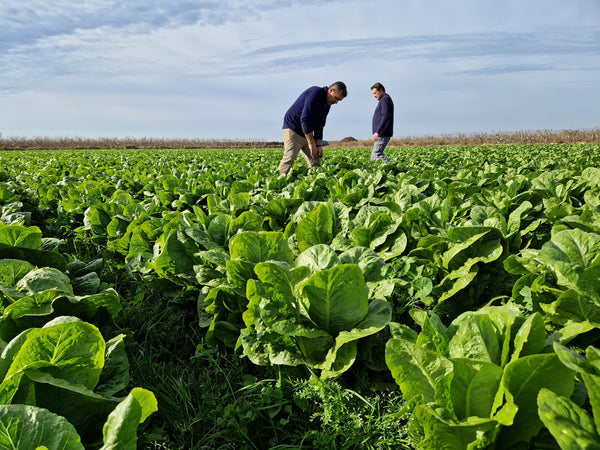

Fruit and vegetables for athletes aren't just decoration on the plate. They're the daily foundation for performing better, recovering faster, avoiding cramps and looking after your immune system naturally. If you train regularly in Spain, here's a practical guide, backed by evidence and full of homegrown tips, to fit them in before, during and after exercise without giving up flavour or good digestion.
From the farm, we'll tell you straight: when fruit is fresh and in season, you can taste it in the juice, the aroma and the texture. And your body notices too. That's why we stand for honest buying, with no middlemen and a carefully kept cold chain. At Campos Del Abuelo that's what we live for: getting you the freshest produce possible in very little time, with transparency and a lot of love for the land.

Fruit and vegetables for athletes: why they're the foundation of performance
The Spanish and European evidence is clear: a sports diet really delivers when it prioritises quality carbohydrates and a variety of fruit and vegetables every day. The guidelines from Spain's Higher Sports Council place these foods at the base of the pyramid, not as an extra. On top of that, the Spanish Paralympic Committee recommends five to six servings of plant foods a day, with at least three different colours to cover vitamins, minerals and antioxidants.
What does that get us in real life? More available energy for training, better muscle recovery, less oxidative damage and an immune system that holds up when your training load ramps up. And a very practical note: many fruits and vegetables are over 80 percent water, so they also add to your daily hydration without you even noticing.
How many servings does an athlete in Spain need?
A simple, powerful goal: at least five or six servings of fruit and vegetables every day. The Paralympic Committee suggests four to six pieces of fruit, with a minimum of three, and at least two servings of vegetables, one of them raw. You can see the logic in the athlete's food pyramid, which also reminds us that the base is carbohydrates, fruit and vegetables, not miracle shakes.
To keep things lively and fresh, lean on the seasonal calendar: in winter, make the most of citrus like our Valencian oranges, kiwi and cabbages to boost vitamin C, and in summer go for watermelon, melon, tomato and cucumber to hydrate with flavour. I promise you, when fruit arrives fresh and travels chilled, every bite is a whole other world. That's how we look after it at our place.

Mediterranean diet, seasonality and honest buying
We have a wonderful advantage: the Mediterranean diet already includes colourful salads, gazpachos, pisto and fruit for dessert. Today's challenge isn't inventing anything, it's organising. If you plan salads and fruit into your key meals, you'll easily hit the recommended servings and notice the difference in your recovery and appetite.
And a friendly warning: watch out for those who dress up their produce. Real fruit smells, crunches and shows it on the inside. Go for direct buying with no middlemen and cold chains that respect the fruit's natural rhythm. Fewer strange journeys, more flavour and more confidence at your table.
Fruit for athletes: useful energy depending on the moment
Fruit placed well in your day changes your performance. Before training, look for easy energy that won't sit heavy in your stomach: ripe banana, grapes or a little pineapple if it agrees with you. Afterwards, pair fruit with protein to replenish glycogen and repair muscle. And during long sessions, fresh or dried fruit keeps your blood sugar steady without always reaching for gels.
Citrus, kiwi and red fruits like cherries provide antioxidants that cushion the oxidative stress of exercise. If you struggle to eat after a hard session, a homemade smoothie with banana, yogurt and red berries goes down easily and sets you up for a balanced dinner.
| Fruit | Key nutrients | Benefit for athletes | Recommended timing |
|---|---|---|---|
| Banana | Carbohydrates, potassium, magnesium, B6, folate | Quick energy, helps prevent cramps, replenishes glycogen | Before, after and during long endurance efforts |
| Watermelon | Very high water content, potassium, citrulline | Hydration and light carbohydrates | Post-exercise and at aid stations |
| Melon | Water, potassium, vitamin C | Replenishes electrolytes | Post-exercise and between meals in hot weather |
| Grapes | Carbohydrates, potassium, polyphenols | Antioxidants and instant energy | Before short, intense sessions and post-exercise |
| Red berries | Anthocyanins and vitamin C | Less muscle damage and oxidative stress | Post-training and breakfasts |
| Kiwi | Vitamins C and E, potassium | Immune boost and recovery | Post-exercise and light dinner |
| Citrus | Vitamin C, water, flavonoids | Antioxidants and hydration | Whole or as homemade juice, pre and post |
| Papaya | Vitamin C, carotenoids, enzymes | Digestive support and antioxidants | Breakfasts and away from training |
| Pineapple | Vitamin C and bromelain | Potential anti-inflammatory effect and digestive aid | Post-training with protein |
| Avocado | Monounsaturated fats, potassium | Heart health and satiety | Meals well away from exercise |
A handy fact when you're short on time: a 25-gram serving of dried fruit provides similar calories to a medium piece of fresh fruit and concentrates minerals like potassium and magnesium. Use it wisely and keep water handy, especially if you have a sensitive stomach.
Vegetables for athletes: nitrates, antioxidants and muscles that respond
Sports science has fallen in love with certain vegetables for their nitrate content, which can increase nitric oxide and improve vasodilation. Beetroot and leafy greens like rocket and spinach lead the way. Drinking beetroot juice 2 to 3 hours beforehand has been shown to improve efficiency and delay fatigue, especially in endurance and stop-start sports. Here's a practical review of nitrate-rich foods.
Alongside nitrates, vegetables provide antioxidants and minerals that are key for muscle contraction. Broccoli, tomato, red pepper and carrot deserve a permanent spot in your recovery meals. And yes, vegetables are good for digestion, but watch the amounts right before competing if you have a delicate stomach.
| Vegetable | Key compounds | Main benefits | Recommended timing |
|---|---|---|---|
| Beetroot | Nitrates, betalains, folate | More nitric oxide and better endurance | 2 to 3 hours before, as juice or in a salad |
| Spinach | Nitrates, magnesium, iron | Muscle contraction and antioxidants | Main meals |
| Rocket | Very high nitrates | Ergogenic help for high intensity | Salad a few hours beforehand |
| Lettuce | Moderate nitrates and water | Hydration and volume | Lunches and dinners |
| Carrot | Beta-carotene and potassium | Antioxidant for recovery | Side dishes and soups |
| Broccoli | Vitamins C and K, folate | Helps with cramps, anti-inflammatory | After demanding sessions |
| Tomato | Lycopene, vitamin C, water | Antioxidant and hydration | Gazpacho or homemade juice after |
| Red pepper | Vitamin C and carotenoids | Immune boost | Stir-fries and salads |
| Celery and cucumber | Water and potassium | Replenishes electrolytes | Juice or smoothie on hot days |
As a rough guide to nitrate amounts per 100 grams: rocket around 420 milligrams, pak choi over 300, spinach around 180, lettuce about 200 and beetroot around 125. Plan without fear, leave enough time, and you'll feel lighter on your legs.

Perfect timing: what to eat before, during and after
Before training, your goal is to arrive with enough glycogen and without feeling heavy. With 2 or 3 hours to spare, slower-release carbohydrates and a bit of healthy fat fit well. If you only have 30 to 60 minutes, prioritise fast carbohydrates and low fibre, like a ripe banana or grapes. Spain's Higher Sports Council (CSD) and other guides explain this clearly in their materials for athletes.
During exercise, if it lasts under 45 minutes and is gentle, water is enough. From 90 to 120 minutes onwards, it's worth taking in carbohydrates in small doses. Pieces of banana, watermelon or melon at aid stations work well when logistics allow. Test it in training, don't debut it on race day. This idea of training your digestive system is pure gold in endurance sports.
After exercise, combine carbohydrates and protein. As a practical guide, between 1 and 1.5 grams of carbohydrates per kilo of body weight and around 0.25 to 0.33 grams of protein per kilo, spread out if needed. A smoothie with yogurt, banana and red berries, or a bowl of fruit salad with fresh cheese, replenishes glycogen and speeds up muscle repair.
Straight-talking tips from a weight-loss expert trainer
Mauro González is a trainer specialising in fat loss, and here's what he tells us about eating fruit and vegetables when you're trying to lose body fat:
When it comes to losing fat, the role of fruit and vegetables is crucial. In fact, one of the main "enemies" to fight in any weight-loss process is hunger. Fruit and vegetables, thanks to their high water content, high percentage of fibre (which is directly linked to satiety) and low calories, are a perfect combination.
In the pre-workout window, the aim is for the body's energy stores to be topped up and for the energy we get to be easy to absorb. In these cases, we use easy-to-digest fruit (low in fibre): a fairly ripe banana or a handful of grapes are perfect options. It's important to remember that we need the energy without that heavy-stomach feeling. So we need to watch the amounts and give the body time to metabolise this energy; around 45 minutes before training is a good moment.
During training, the goal is maintenance, so in these cases it's better to think more about drinking than eating. But if the activity allows, once again a small portion of banana or a few grapes are, without a doubt, the best option.
Post-workout (Recovery and Satiety): This is where vegetables take centre stage. Their job is to provide a large volume of food with very few calories, creating the satiety that's key to maintaining a calorie deficit without going hungry. We pair them with a piece of antioxidant-rich fruit (like red berries or kiwi) to replenish muscle glycogen and support recovery, always alongside a good source of protein.
The portion recommendation is quite flexible; in other words, there are many factors that can change its size. But generally speaking, I'd say a small piece of fruit (think about 100 to 150 grams) is enough for a 45 to 60-minute session. If the session is going to run over 90 minutes, we could consider a larger piece of fruit, around 150 to 200 grams.
The criterion for choosing the amount according to intensity is as follows:
If intensity goes up, for example heavy strength training, intervals or HIIT, the body mainly uses carbohydrates as fuel. In that case, we increase the serving of pre-workout fruit. If intensity is low, for example a long walk or gentle cardio, the body uses more fat; here we can reduce or even skip the pre-workout fruit and prioritise vegetables in the following meals to boost satiety.
Any high-intensity session is going to be very energy-demanding, and at those moments the digestive system can do very little. In these cases it's super important to respect digestion time. That means letting athletes know they need to give the body at least 45 to 60 minutes to digest whatever they've eaten.
What to avoid before training: Anything high in fibre, with tough skins or fermentable compounds. Out go cruciferous vegetables, for example broccoli and cauliflower, raw salads, legumes and fruit with a lot of skin.
What to choose: "Safe" fast-transit fruit. Apple purée, very ripe banana (the darker it is, the simpler the sugar and the faster it digests), or melon.
When it comes to testing tolerance, the advice is always the same: "Never try anything new on competition day or in the toughest session of the week". But since many athletes find it hard to try new things in routine training, the rule ends up being: "Nothing new on competition day". It's much better to lose a bit of performance due to a poor nutrition strategy than to be unable to compete because of an upset stomach.

Digestion without scares: fibre, gastric emptying and practice
Many stomach problems during a race come from slow gastric emptying and reduced blood flow to the gut during intense efforts. If something doesn't agree with you, temporarily cut back on big raw salads, cruciferous vegetables or legumes right before training and save those servings for meals further away. Practise in normal sessions whatever you plan to do on race day, and don't improvise.
A good way to rehydrate without bloating is to alternate water in 200 to 250 millilitre sips with homemade drinks like a mild gazpacho or tomato and cucumber juice with a pinch of salt. The day is long and there are plenty of windows to add vegetables without forcing your stomach.
Cramps, electrolytes and your body's signals
If your calves tend to play up, your plan should take care of potassium, magnesium and calcium, as well as drinking what you need. Banana, melon, kiwi and grapes on the fruit side, and spinach, chard and broccoli on the vegetable side, help when they're part of your everyday diet. You'll see it more clearly in this guide to preventing muscle cramps.
As a simple rule, drink 1.5 to 2 litres of water a day and adjust for how much you sweat and the heat. If you get dizziness, repeated cramps, clammy skin or a big drop in weight after training, don't ignore it: add drinks with sodium or see a professional. Fruit and vegetables are your first line, but sometimes you need a specific extra.
Common mistakes and how to fix them today
The classic every summer: fear of the sugar in fruit. In a balanced diet, the natural sugar in fruit comes with water and fibre that moderate its absorption. It's not the same as a soft drink. The EFSA dietary reference values support varied eating patterns, and the CSD insists that the foundation is real food well distributed, not empty calories.
Another frequent mistake is loading up on too much fibre right before a hard session. Fibre is wonderful, yes, but place it away from exercise. And finally, no supplement can fix a poor foundation. First sort out your plate with fruit and vegetables, and once that's clear, you can weigh up the rest with professional advice.
Vegetables that perform really well and you might not use enough
Beyond the classics, there's a quintet many athletes already have in the fridge. Kale is packed with vitamins C and K. Broccoli provides fibre and valuable antioxidants. Chard gives you folate and potassium. Carrot is antioxidant and rich in potassium. And sweet potato is an excellent carbohydrate with vitamin A, ideal for refuelling when longer runs are on the schedule.
If you combine these vegetables with extra virgin olive oil, grains, legumes and lean protein, you've got a Mediterranean plate that supports performance and health. You don't need to overcomplicate things to eat like an athlete who listens to their body.
Homemade recipes for your everyday training life
Here are some simple, seasonal ideas that are very much our own. Breakfast with oats, milk or yogurt, banana and strawberries, plus cinnamon. For lunch, a spinach, lettuce and tomato salad with rice and chicken, and pineapple for dessert. A snack of yogurt with apple and walnuts. After training, a banana, red berry and yogurt smoothie. And for dinner, pisto with salmon and a small serving of potato.
- Recovery gazpacho: tomato, cucumber, pepper and a touch of salt to rehydrate with antioxidants.
- Pre-workout beetroot: beetroot juice with orange and carrot, 2 to 3 hours before exercise.
- Immune fruit salad: kiwi, citrus and red berries with fresh cheese.
- More ideas in this collection of recipes for athletes.
If you're one of those who come back with no appetite, take a look at these smoothies and juices for athletes that are wonderfully gentle on the stomach. Alternate liquid formats with whole fruit so you don't lose fibre over the week.

Common-sense hydration all day long
Sipping slowly and unhurriedly helps your body absorb better. Go for 200 to 250 millilitres of water at a time and avoid gulping down half a litre in one go. In very sweaty sports, a drink with sodium and carbohydrates can make sense. Day to day, watermelon, melon, orange, cucumber and tomato provide water and potassium that all add up.
For those of you who care about origin and logistics, we work hard to make sure produce arrives fresh and chilled, because that way it keeps its aroma, texture and that crunch you crave. You can find us here: fruit and vegetables straight from the farmer.
Quick guide to pre- and post-workout amounts
| Situation | Recommended fruit | Approximate portion | Tolerance notes |
|---|---|---|---|
| 45 to 60-minute session | Ripe banana or grapes | 100 to 150 g | Low fibre, eat 45 to 60 min before |
| Session over 90 minutes | Large banana or dried fruit | 150 to 200 g | Dried fruit in small bites and water in sips |
| Post-exercise | Banana and red berries | 1 medium fruit and a handful | Always with quality protein |
Seasonality, trust and fresh delivery straight from the farm
Choosing seasonal produce has three rewards: better flavour, better price and better sustainability. At home we work with our own harvest and with farmers from different parts of Spain so the experience is complete. If you love that firm bite of a strawberry or the snap of a freshly harvested cherry, you'll understand why we care so much about the chain from tree to kitchen.
If you value buying from real faces, no fuss and with transparency, drop by our website and join the community: Campos Del Abuelo. And if you'd like to read more about us, you can visit our blog: Straight from the farm. You'll see there's no trick, just hard work and many hours in the fields.
FAQ: common questions about fruit and vegetables for athletes
Which fruits work best right before training if I'm short on time? If you have 30 to 45 minutes left, choose ripe banana or grapes as they're easy to digest. Avoid fruits with lots of skin or very fibrous ones so your stomach doesn't complain. And always test on normal days before taking it to a competition.
How do I use beetroot sensibly for a key day? The most practical option is to drink beetroot juice 2 to 3 hours beforehand. That window allows nitrates to be converted into nitric oxide. Don't leave it to the last ten minutes, because it won't have time to work.
What should I do if I often get cramps? Check your hydration and electrolytes. Boost potassium and magnesium with banana, melon, grapes, spinach and chard. If they still appear, add sodium to your drinks on long sessions and see a professional if they persist.
How much fruit and veg a day if I train often? Aim for five to six servings a day, with at least three colours. At least three fruits and two vegetables, one of them raw. That's what you'll find in Spain's official guidelines for athletes.
Is a smoothie or whole fruit better? Alternate. A smoothie goes down better when you're not hungry after training and helps rehydrate, but whole fruit gives more fibre and you chew it, which makes you feel full. Play with both formats depending on the moment.
Conclusion: what to take away from this guide
Fruit and vegetables for athletes are the simplest, tastiest way to sustain your energy, your recovery and your defences. In Spain we have it easy with the Mediterranean seasons and clear guidelines from the Higher Sports Council (CSD) and the Paralympic movement calling for five to six servings of plant foods a day. The secret lies in timing, tolerance and a colourful plate.
Before training, easy fruit. Afterwards, fruit plus protein and a good serving of vegetables. For long efforts, practise what you're going to take and look after your electrolytes. And please, don't be scared of the natural sugar in fruit or overload on fibre right before competing.
If you're looking for real freshness, direct buying and fast chilled delivery, we're here to make it simple and honest. Join Campos Del Abuelo, choose from 1 kilo and get fruit and vegetables fresh from the field. If you don't fall in love with it, we'll talk and put it right. As simple as that.
Useful reading to keep fine-tuning your plan: nutrition and hydration in sport, an athlete's general diet, European dietary reference values and these notes on key fruits for athletes. If you love planning by season, bookmark this seasonal calendar.


